
Top 5 Misconceptions About Precision Machining Debunked


Understanding Precision Machining
Precision machining is a critical component of manufacturing, yet it's often misunderstood. It's a field that combines advanced technology with skilled craftsmanship to create parts with tight tolerances. Despite its importance, several misconceptions persist.
Misconception 1: Precision Machining Is Only for Large Projects
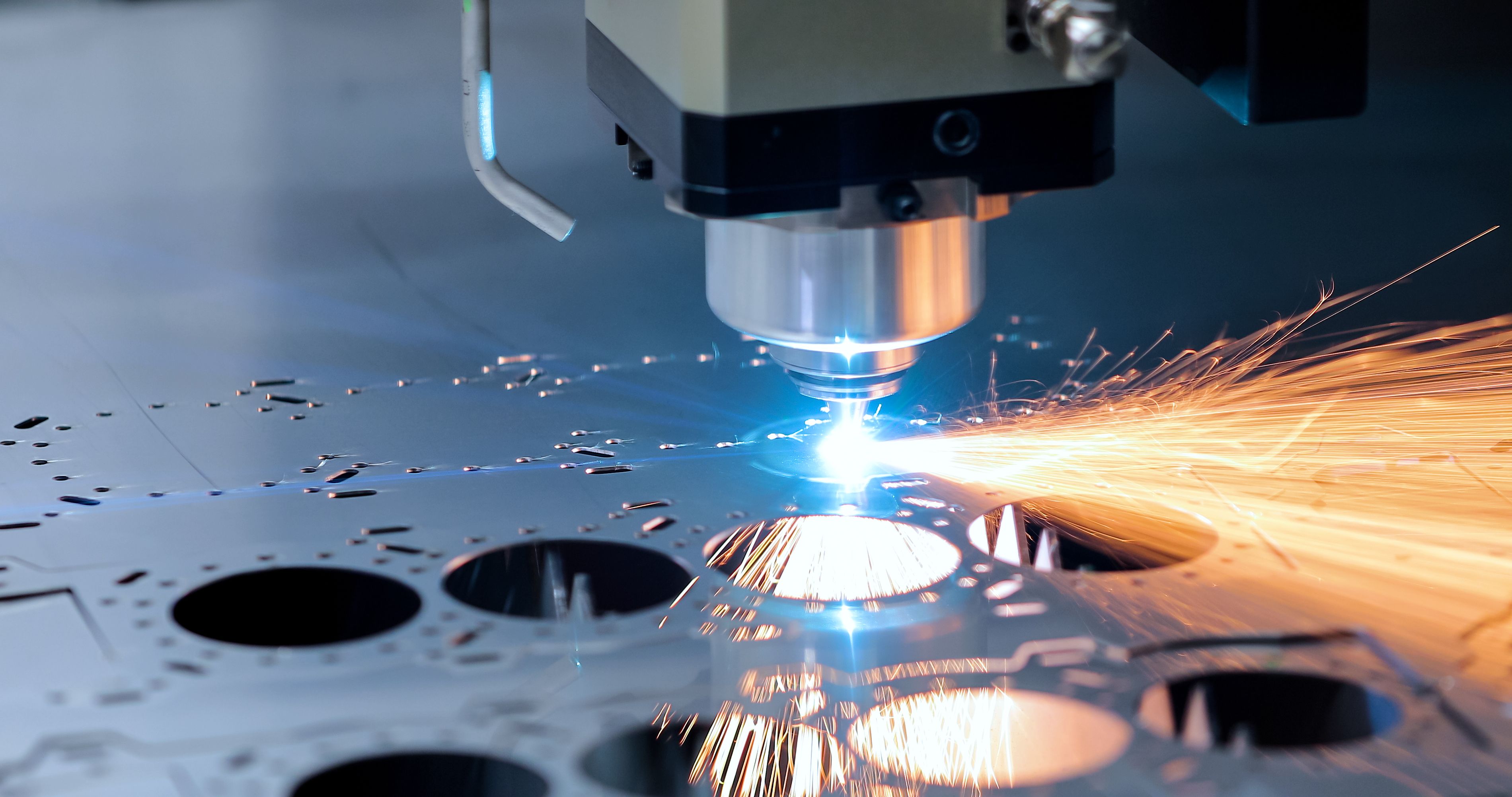
One common myth is that precision machining is only suitable for large-scale projects or massive industries. In reality, precision machining is versatile. It caters to both large and small projects, serving industries ranging from aerospace to medical devices. The ability to produce small batches of components with high accuracy makes it invaluable for various applications.
Misconception 2: It's Too Expensive
Another misconception is that precision machining is prohibitively expensive. While it's true that high-quality machines and skilled labor can be costly, the long-term benefits often outweigh the initial investment. Precision machining reduces waste, enhances efficiency, and ensures quality results, ultimately saving money in the long run.

Misconception 3: It's All Machine Work
Many people believe that precision machining is entirely automated and requires little human intervention. However, the reality is that skilled machinists play a crucial role. Their expertise ensures the machines are correctly set up and maintained, allowing for accurate results. Human oversight is essential for troubleshooting and optimizing the machining process.
Misconception 4: Limited Material Options
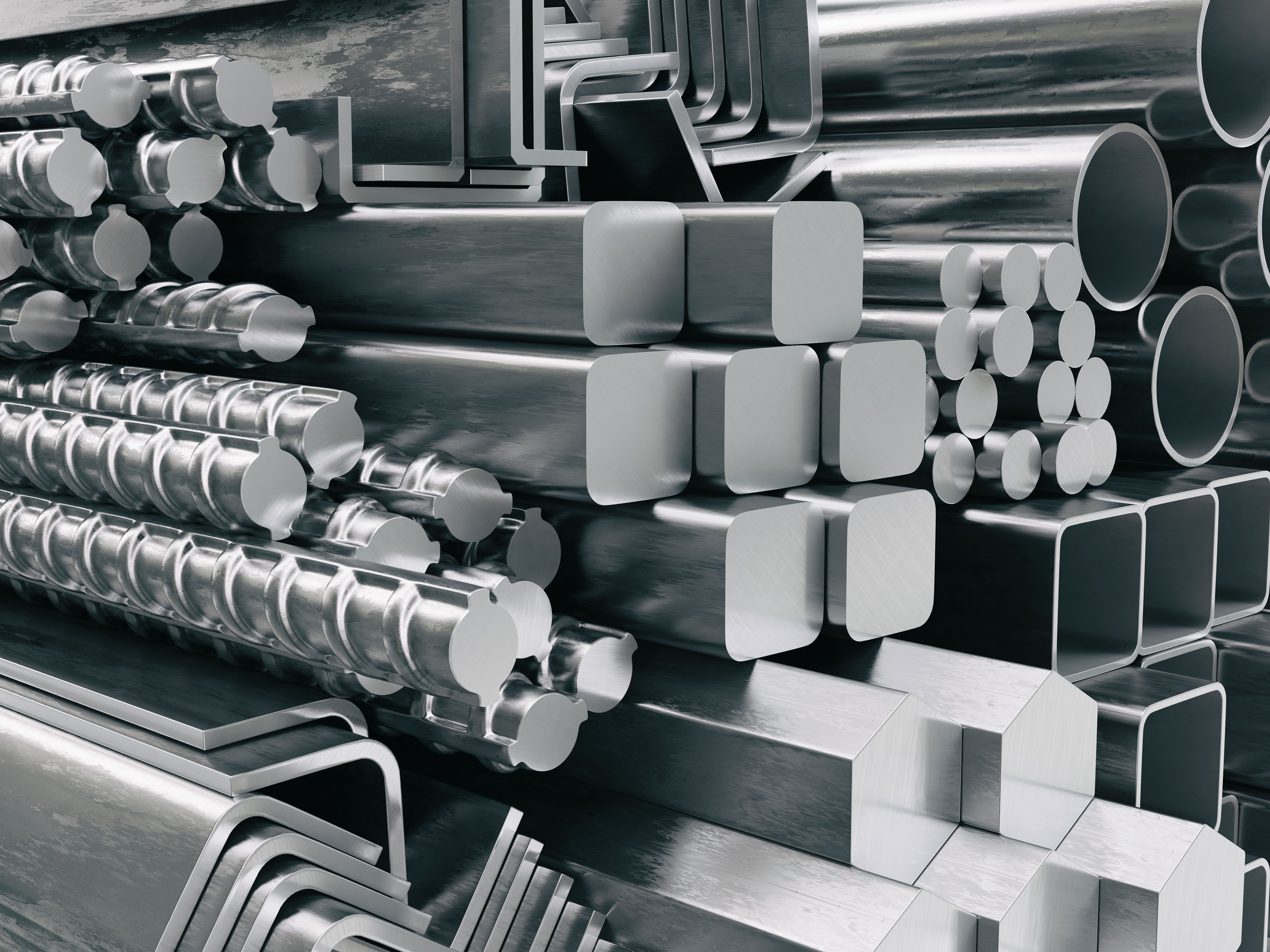
Some think precision machining can only handle a limited range of materials. On the contrary, it can work with various materials, including metals, plastics, and composites. This flexibility allows precision machining to meet diverse industry needs and produce parts for multiple applications.
Misconception 5: It's Only About Cutting
A final misconception is that precision machining is solely about cutting materials. While cutting is a significant aspect, precision machining encompasses various processes, including drilling, milling, and turning. These techniques, combined with advanced software, allow for the creation of complex and precise components.
In conclusion, understanding the realities of precision machining can help businesses leverage its full potential. By debunking these misconceptions, industries can better appreciate the value that precision machining brings to modern manufacturing.