
The Impact of Seasonal Changes on Industrial Parts: Preparing for Every Season


Understanding the Impact of Seasonal Changes
In the industrial sector, the changing seasons can have a significant impact on equipment and parts. Each season brings its own set of challenges, from temperature fluctuations to varying humidity levels. Understanding these impacts is crucial for maintaining operational efficiency and longevity of industrial parts.
Winter, for instance, can cause metal parts to contract, potentially leading to breaks or malfunctions. Conversely, the heat of summer can cause expansion, which may result in misalignments or stress on joints and seals. These seasonal changes require proactive measures to ensure that industrial machinery continues to operate smoothly.
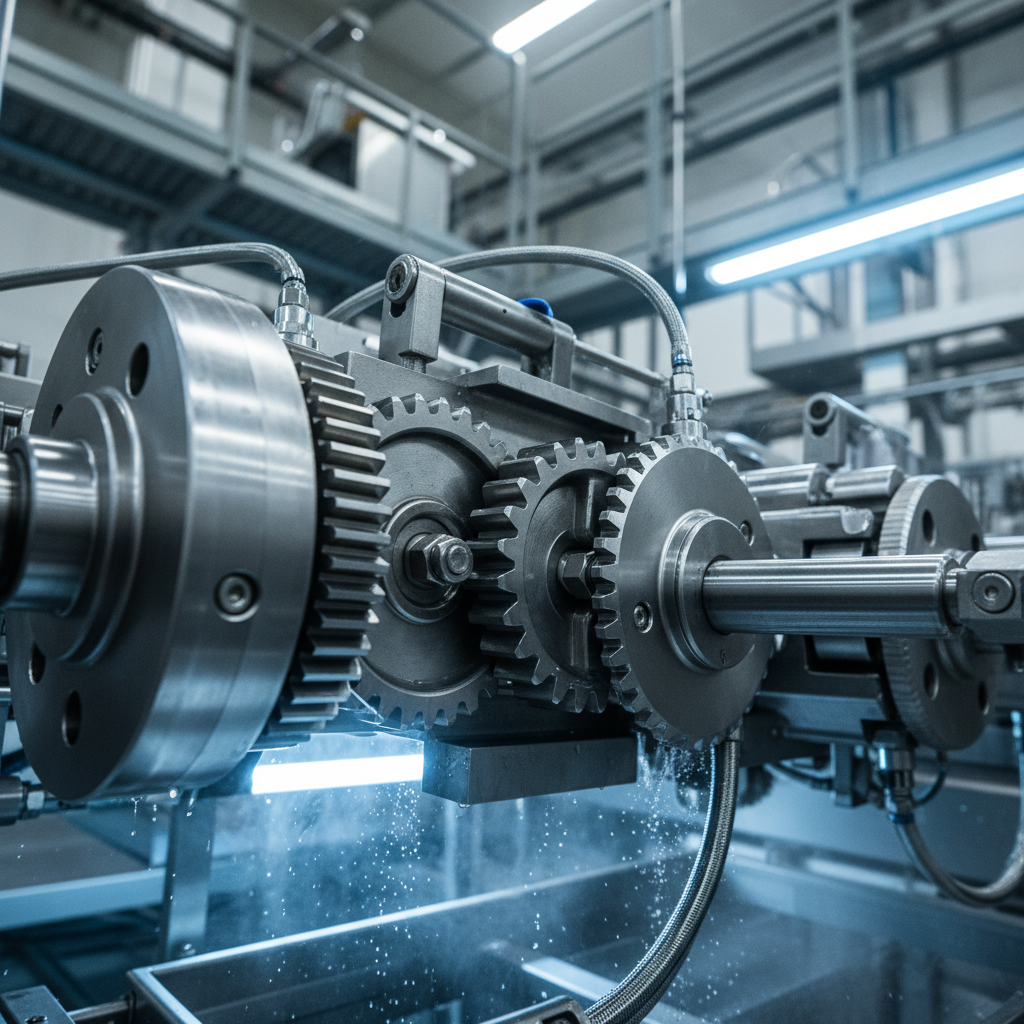
Preparing for Winter
Winter preparation is essential for industries that rely on outdoor equipment. Ensuring that machinery is properly insulated and lubricated can prevent cold-related failures. Additionally, using antifreeze solutions for fluid systems can help avoid freezing that could lead to costly damage.
Conducting thorough inspections before the winter months can identify potential vulnerabilities. Replace any worn or damaged parts that might not withstand the colder temperatures. Regular maintenance checks during winter can also mitigate the risk of unexpected breakdowns.

Summer Challenges and Solutions
The high temperatures of summer can lead to overheating of machinery, causing lubrication to break down faster. It's crucial to use heat-resistant lubricants and to check cooling systems regularly. Ensuring adequate ventilation in industrial facilities can also help dissipate excess heat.
Hydration is not just for people—machinery needs it too. Keep an eye on fluid levels, ensuring that they are topped up and at the right concentration to handle the summer heat. Regularly inspect seals and gaskets for signs of wear that could be exacerbated by the heat.

Spring and Fall: Transitional Seasons
Spring and fall are transitional periods that require flexibility in maintenance strategies. During these times, fluctuating temperatures can cause condensation, which may lead to rust or corrosion of metal parts. Using protective coatings can help shield against these effects.
Regular cleaning and inspection during these seasons can prevent debris buildup, which often occurs during the wet and windy months. Implementing a checklist for seasonal maintenance tasks can ensure that nothing is overlooked.
Creating a Seasonal Maintenance Plan
Developing a comprehensive maintenance plan tailored to seasonal changes is essential. This plan should include regular inspections, timely replacement of parts, and the use of suitable materials that can withstand seasonal stresses.
An effective maintenance plan might include the following steps:
- Regular inspection schedules aligned with seasonal changes.
- Use of season-appropriate lubricants and antifreeze.
- Training staff on seasonal maintenance practices and safety procedures.

Conclusion
The impact of seasonal changes on industrial parts is significant, but with proper preparation, industries can minimize downtime and extend the life of their equipment. By understanding the specific challenges each season presents and implementing a robust maintenance strategy, businesses can ensure continuous operation and avoid costly repairs.
Investing time and resources into seasonal preparation pays off in the long run, keeping industrial operations efficient and reliable throughout the year.