
The Future of Machine Shops: Trends and Innovations to Watch


The machine shop industry is on the brink of transformation, driven by technological advancements and evolving market demands. As we look to the future, several trends and innovations are poised to redefine how machine shops operate, ensuring greater efficiency and precision.
Automation and Robotics
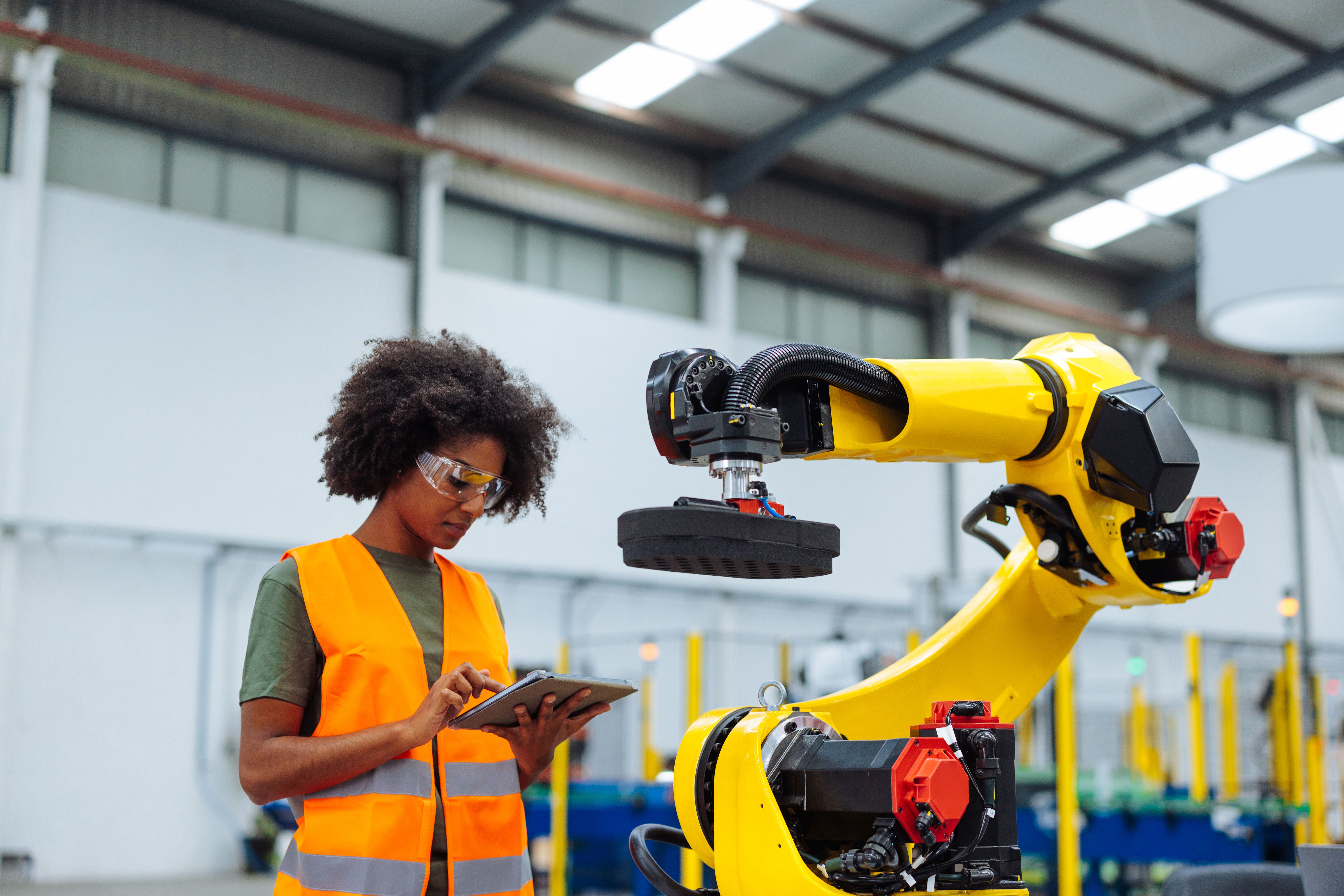
One of the most significant shifts in machine shops is the increased adoption of automation and robotics. Automation technology is not only enhancing productivity but also ensuring consistent quality in manufacturing processes. By reducing the reliance on manual labor, shops can operate with greater precision and speed.
Robotic arms and automated systems are becoming common, handling complex tasks with ease. This shift allows skilled workers to focus on more strategic roles, enhancing overall operational efficiency.
Advanced CNC Machining
Computer Numerical Control (CNC) machining continues to evolve, offering more sophisticated capabilities. The latest CNC machines can handle intricate designs with unparalleled accuracy, making them indispensable in modern machine shops.
These machines are now equipped with smart technology, enabling real-time monitoring and adjustments. This ensures optimal performance and minimizes downtime, leading to cost savings and improved output.
3D Printing and Additive Manufacturing
3D printing is revolutionizing the manufacturing landscape, providing new opportunities for customization and rapid prototyping. Machine shops are increasingly integrating additive manufacturing techniques to produce complex parts that were once impossible or cost-prohibitive to create.
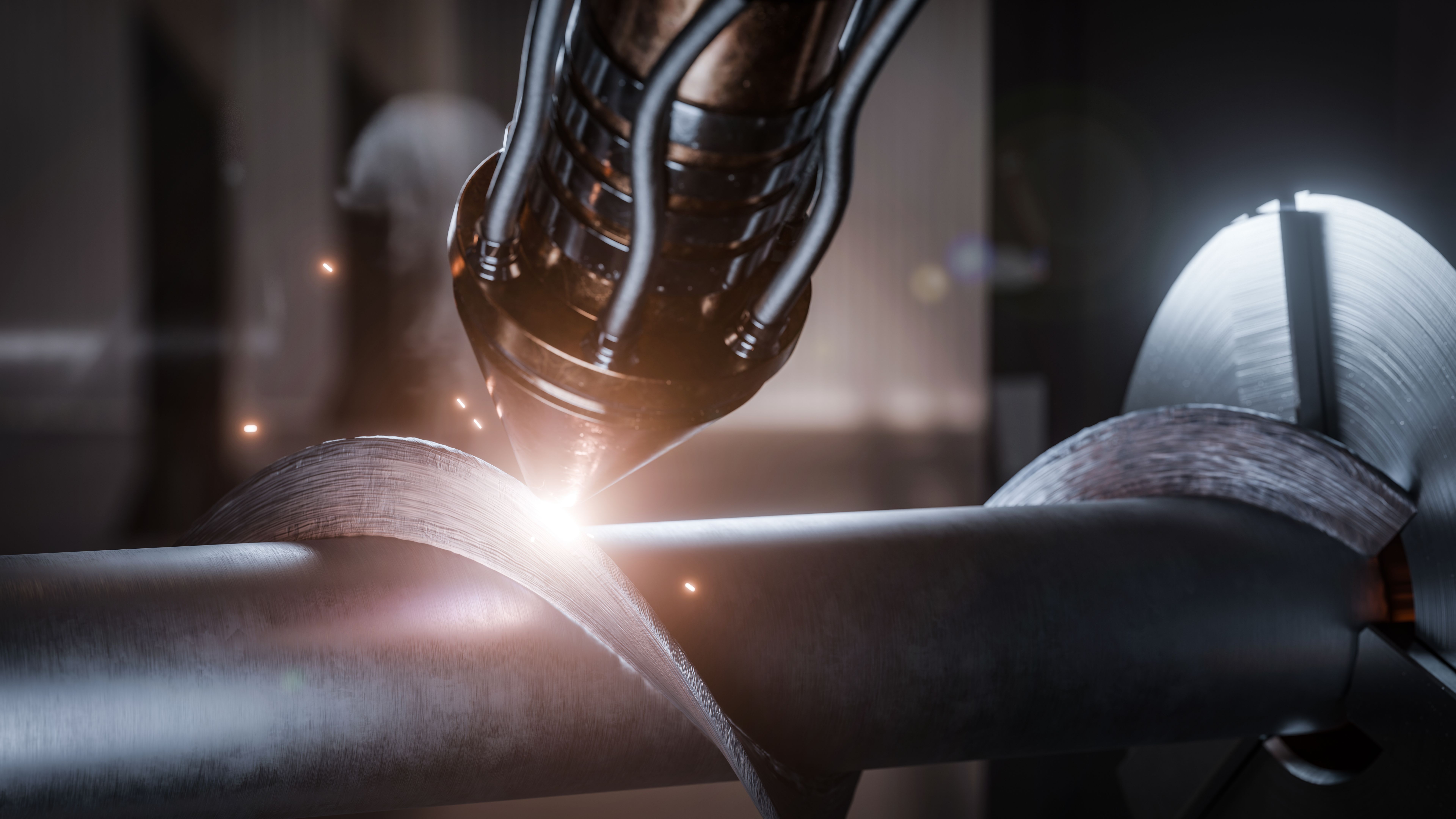
By leveraging 3D printing, machine shops can quickly adapt to design changes, reducing lead times and enhancing product development cycles. This flexibility is crucial in meeting the ever-changing demands of clients.
Data-Driven Decision Making
Big data and analytics are becoming integral to the operation of machine shops. By harnessing data, businesses can make informed decisions that drive efficiency and innovation. Predictive maintenance, powered by data analysis, helps in identifying potential failures before they occur, reducing costly downtime.
Moreover, data-driven insights enable machine shops to optimize their processes, from supply chain management to quality control, ensuring they remain competitive in a dynamic market.

Sustainability and Green Manufacturing
As environmental concerns grow, sustainability has become a key focus in the manufacturing sector. Machine shops are exploring eco-friendly practices, from using sustainable materials to implementing energy-efficient processes.
Green manufacturing not only reduces environmental impact but also improves the bottom line by cutting waste and reducing energy consumption. This shift towards sustainability is not just a trend but a necessity for the future of machine shops.
Conclusion
The future of machine shops is bright, driven by technological advancements and an emphasis on sustainability. By embracing these trends and innovations, machine shops can enhance their capabilities, improve efficiency, and remain competitive in a rapidly changing industry.
As these transformations take hold, the machine shop industry will continue to evolve, shaping the future of manufacturing for years to come.