
Preparing Your Machinery for Seasonal Changes: A Dalton Expert’s Guide


Understanding Seasonal Impact on Machinery
As the seasons change, so do the demands on your machinery. Whether you’re gearing up for the cold of winter or the heat of summer, preparing your equipment for these shifts is crucial. Proper preparation ensures efficiency, longevity, and safety.
Temperature fluctuations, humidity changes, and varying workloads can significantly impact machine performance. By proactively maintaining your machinery, you can prevent breakdowns and costly repairs.
Inspecting Your Equipment
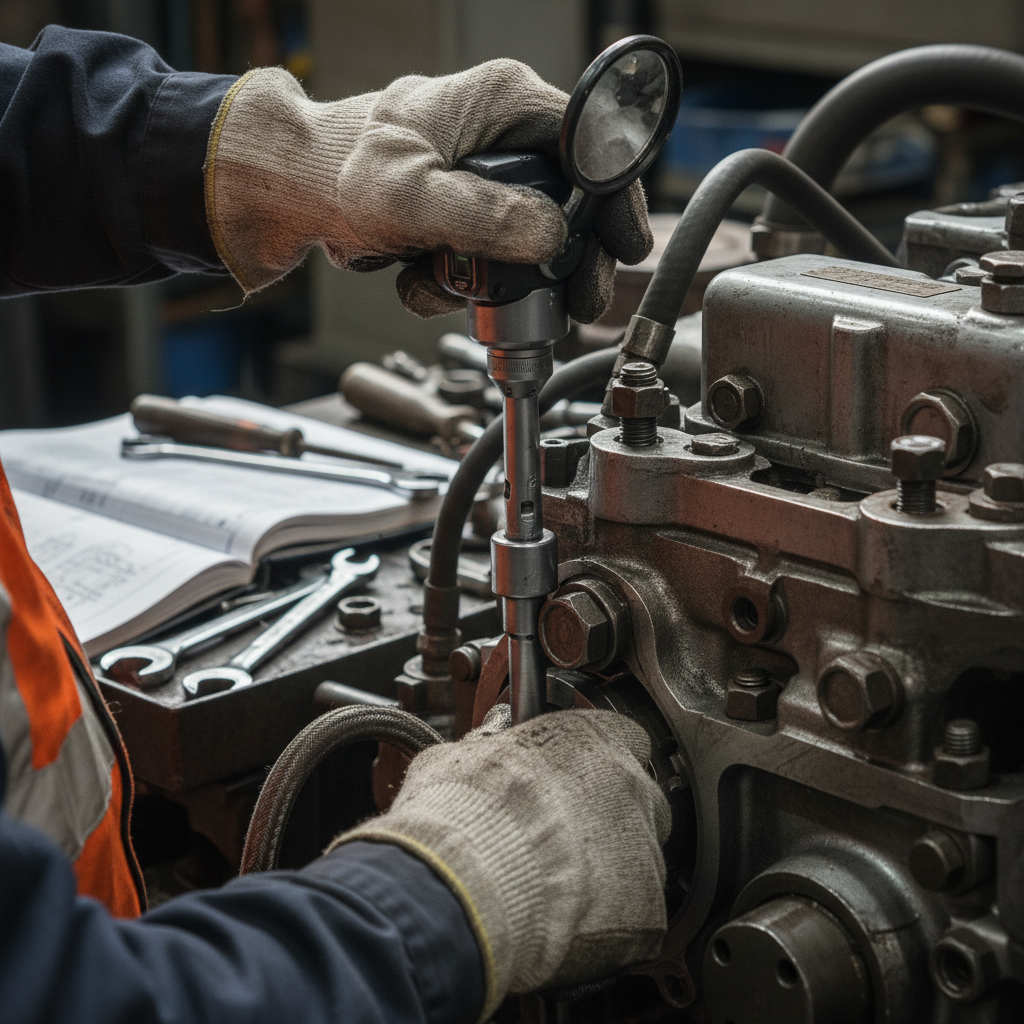
The first step in preparing for seasonal changes is a thorough inspection. Look for signs of wear and tear, such as cracks, rust, or frayed wires. Pay attention to moving parts and ensure they are well-lubricated.
It's also important to assess the condition of belts, hoses, and electrical connections. Replace any components that show signs of damage to prevent potential failures.

Checking Fluid Levels
Fluids play a vital role in machine operation. Check oil, coolant, and hydraulic fluid levels, and top them up as necessary. Seasonal changes can affect fluid viscosity, so consult your manufacturer’s guidelines to ensure you’re using the correct type.
Additionally, be on the lookout for leaks. Addressing these early can prevent significant issues down the line.
Adapting to Temperature Changes
Extreme temperatures can take a toll on machinery. In colder months, consider using engine block heaters and ensure antifreeze levels are adequate. For hotter months, verify that cooling systems are functioning optimally.

Adjusting Tire Pressure
Temperature changes also impact tire pressure. Regularly check and adjust tire pressure to accommodate seasonal variations. Properly inflated tires ensure better fuel efficiency and reduce wear.
Updating Safety Protocols
Seasonal shifts may necessitate updates to safety protocols. Ensure all operators are trained on any new procedures and that safety equipment is easily accessible and in good condition.
Review emergency plans and conduct drills if necessary, especially if operating conditions change significantly with the seasons.

Documenting Maintenance Records
Keep detailed records of all maintenance activities. This documentation can help track the condition of your machinery and assist in future troubleshooting. It also provides valuable insights into wear patterns and helps predict future maintenance needs.
Concluding Thoughts
Preparing your machinery for seasonal changes is an essential task that can save time, money, and stress. By following these guidelines, you can ensure that your equipment remains in top-notch condition, ready to tackle the challenges of any season.
For more detailed insights, consider consulting with experts who can provide tailored advice based on your specific machinery and operational needs.