
Myth-Busting: Common Misconceptions About Machinery Repair


Understanding Machinery Repair
Machinery repair is an essential aspect of maintaining industrial operations, yet it is often surrounded by several misconceptions. These myths can lead to costly mistakes and unnecessary downtime. In this article, we’ll debunk some of the most common myths to help you better understand the intricacies of machinery repair.
Myth 1: New Machines Don’t Require Maintenance
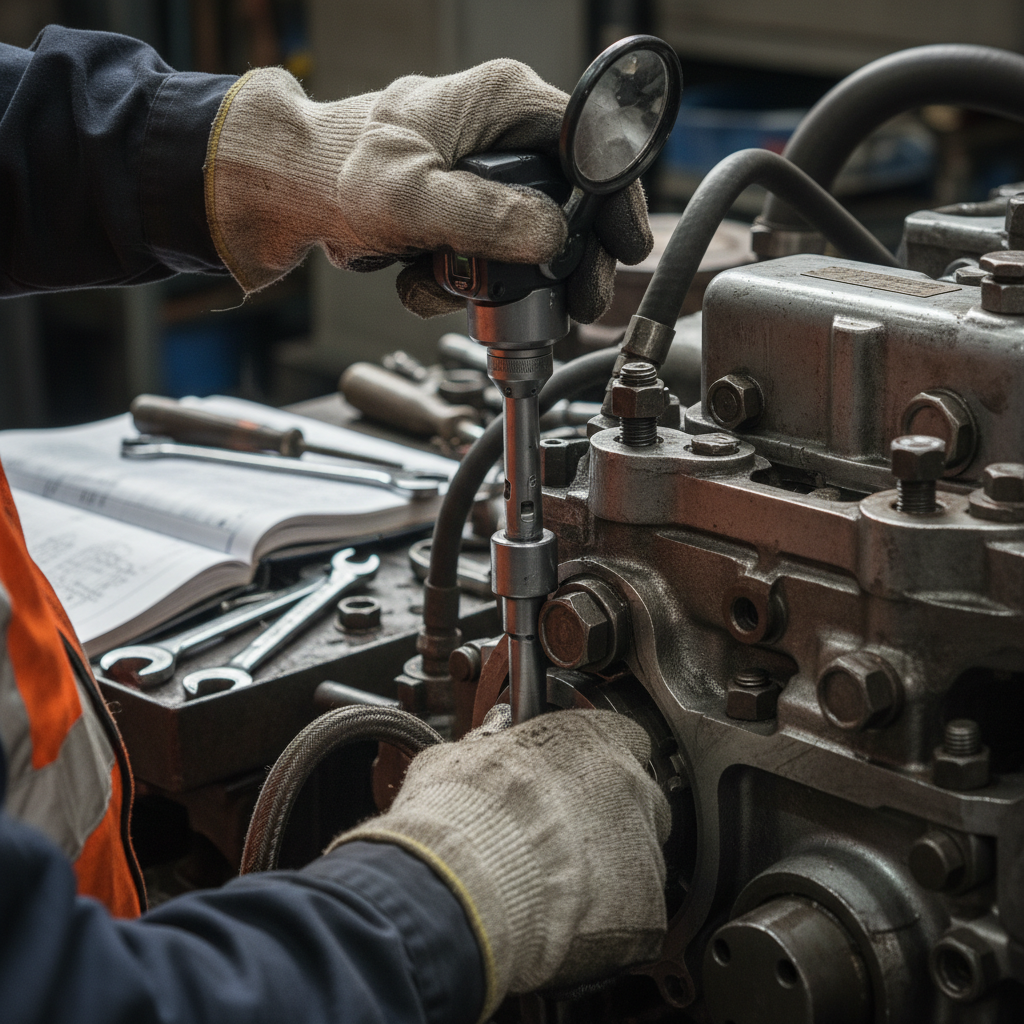
One prevalent myth is that new machines don’t need regular maintenance. While new machinery is less likely to break down, it still requires routine checks to ensure optimal performance. Neglecting maintenance can lead to unexpected failures and reduced lifespan.
Regular maintenance, even for new machines, helps in identifying potential issues early. This proactive approach can save both time and money in the long run.
Myth 2: Only Specialists Can Repair Machines
Another common misconception is that only specialists can repair machinery. While complex issues may require expert intervention, many routine repairs can be handled by trained in-house technicians. Investing in training for your team can enhance their ability to address minor issues efficiently.
Myth 3: Repairs Are Always Expensive
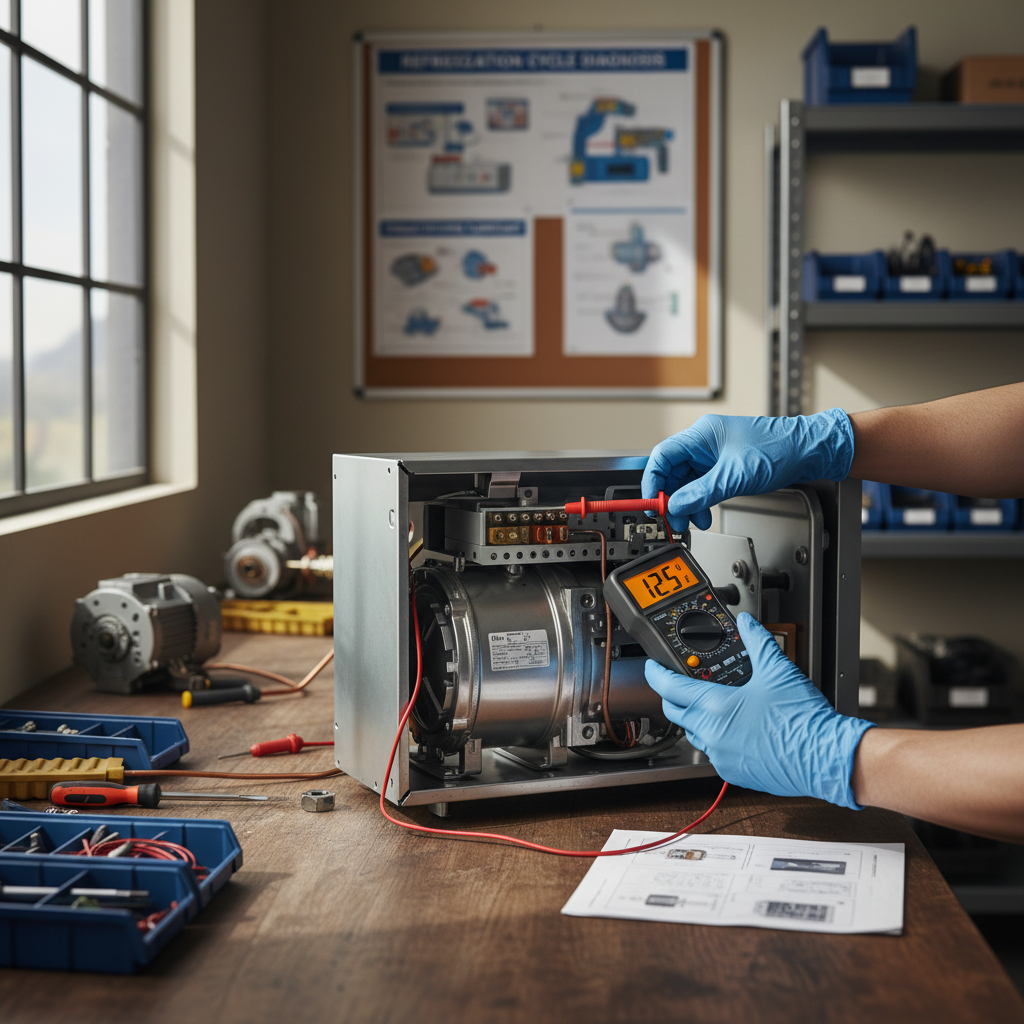
Many believe that machinery repairs are always costly. However, the expense often depends on the nature and extent of the damage. Regular maintenance and timely repairs can prevent minor issues from escalating into major, more expensive problems.
Implementing a preventive maintenance plan can significantly reduce repair costs by addressing issues before they become severe.
Myth 4: All Parts Are Created Equal
Not all replacement parts are the same, and assuming so can lead to further issues. Using generic or low-quality parts may save money initially but can result in poor performance and frequent breakdowns. Always choose high-quality, compatible parts to ensure the longevity and efficiency of your machinery.
Myth 5: Downtime Is Unavoidable
While some downtime is inevitable, assuming it is always unavoidable is a misconception. With proper planning, regular maintenance, and timely repairs, downtime can be minimized significantly. Implementing a robust maintenance schedule helps in identifying potential issues before they cause operational halts.
By debunking these myths, businesses can adopt more effective strategies for machinery repair, enhancing productivity and reducing unnecessary expenses. Understanding the true nature of machinery maintenance can lead to smarter decision-making and a better return on investment.