
Latest Trends in Tufting Machinery Parts: What You Need to Know


Understanding the Evolution of Tufting Machinery Parts
In recent years, the tufting industry has witnessed significant technological advancements. These changes have been driven by the need for more efficient, precise, and sustainable manufacturing processes. As a result, the latest trends in tufting machinery parts are reshaping the landscape of carpet and textile production.
Advanced Materials and Durability
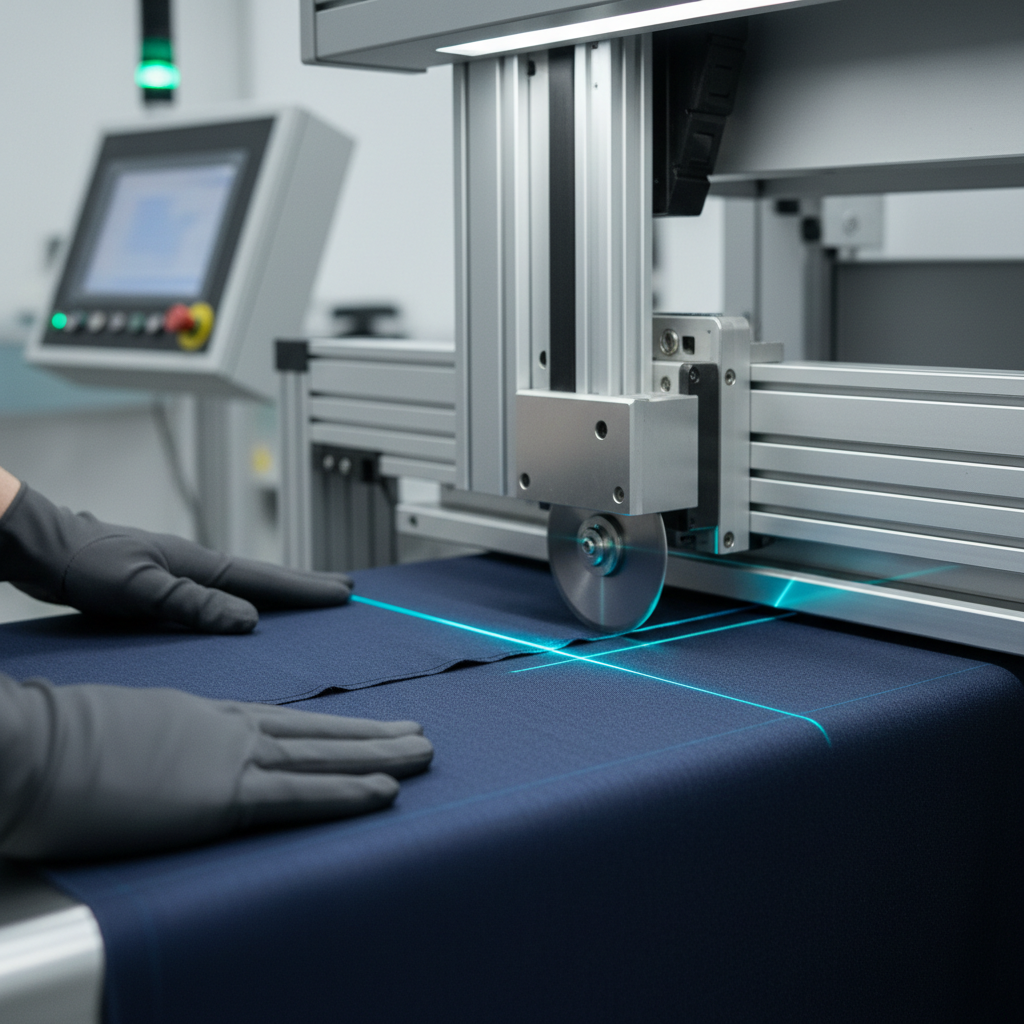
One of the most notable trends is the use of advanced materials in tufting machinery parts. Manufacturers are now utilizing high-strength alloys and composites to enhance durability and reduce wear. This shift not only extends the lifespan of machinery but also minimizes downtime due to maintenance, ultimately increasing productivity.
Moreover, these materials are designed to withstand the high-speed operations that modern tufting machines require, ensuring consistent and reliable performance over time.
Integration of Smart Technology
Another significant development is the integration of smart technology into tufting machinery. Sensors and IoT devices are being incorporated to monitor performance metrics in real-time. This technology allows operators to detect potential issues before they escalate, reducing the risk of costly breakdowns.

In addition, smart technology facilitates predictive maintenance, which can lead to substantial cost savings and improved efficiency. By analyzing data patterns, operators can schedule maintenance activities at the most opportune times, thus avoiding unnecessary interruptions.
Focus on Energy Efficiency
Energy efficiency has become a priority for manufacturers looking to reduce their environmental impact. The latest tufting machinery parts are designed to consume less power while maintaining optimal performance. Innovations in motor technology and energy recovery systems play a crucial role in achieving these goals.
These developments not only contribute to sustainability but also result in lower operating costs, making them a smart investment for any production facility.

Customization and Flexibility
The demand for customized products has led to increased flexibility in tufting machinery. Parts are now being designed with modular systems that allow for quick and easy adjustments. This adaptability enables manufacturers to switch between different styles and patterns with minimal effort.
By offering a wider range of options, companies can cater to diverse customer preferences, enhancing their competitive edge in the market.
The Future of Tufting Machinery Parts
As technology continues to evolve, the tufting industry can expect further innovations. Future trends may include even more sophisticated automation, enhanced material sciences, and breakthroughs in sustainable manufacturing processes. Staying informed and adaptable will be key for businesses aiming to thrive in this dynamic landscape.