
Innovation Spotlight: The Future of Tufting Machinery Parts


Revolutionizing Tufting Machinery
In the world of textile manufacturing, tufting machinery plays a pivotal role. These machines are responsible for creating the plush, textured surfaces found in carpets, upholstery, and other fabric products. As demand for high-quality, customizable textiles grows, the need for innovative tufting machinery parts becomes more critical. Today, we'll explore how advancements in this field are shaping the future of textile production.
Manufacturers are continuously seeking ways to enhance the efficiency and versatility of tufting machines. With the integration of smart technology, modern tufting machinery parts are able to perform with greater precision and reliability, ensuring consistent product quality.
Smart Technology Integration
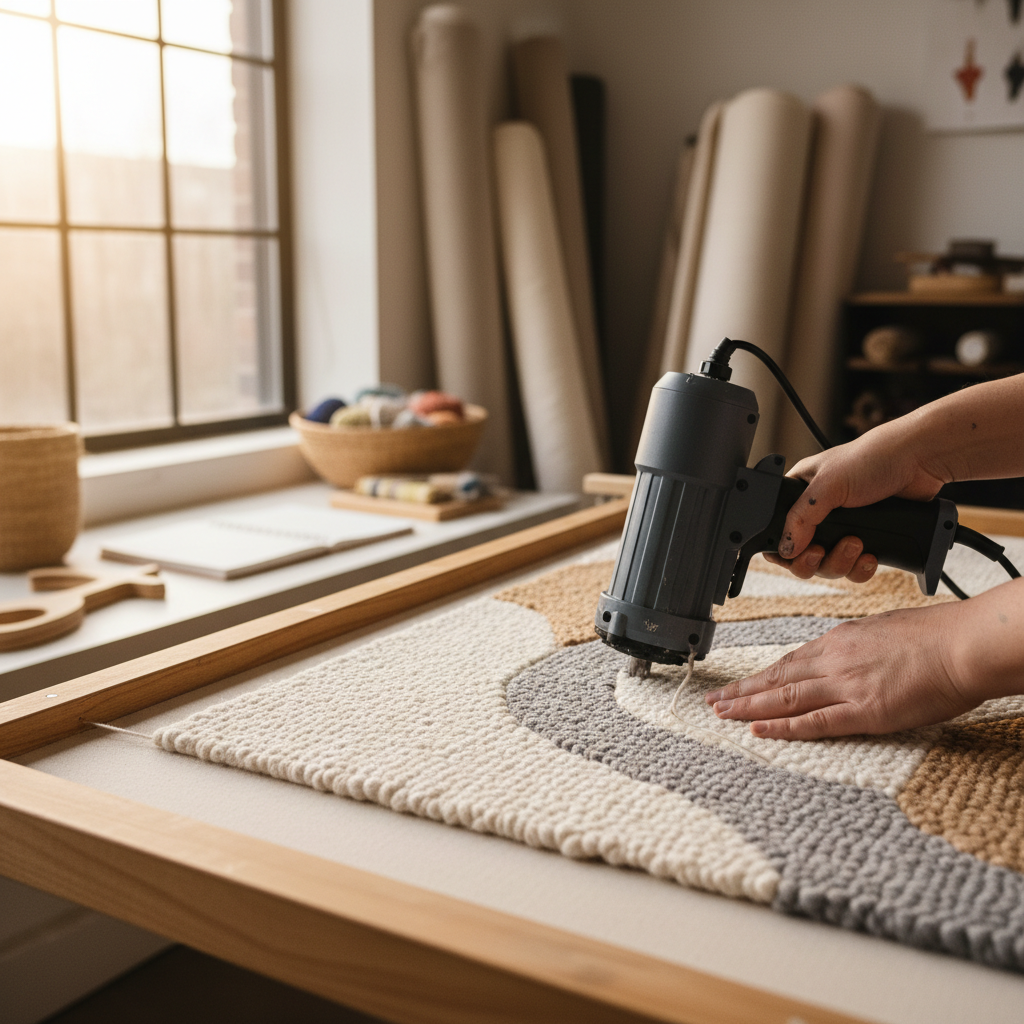
The integration of smart technology is transforming the way tufting machines operate. By incorporating IoT devices and sensors, manufacturers can now monitor machine performance in real-time. This allows for proactive maintenance, reducing downtime and increasing overall productivity. Furthermore, smart technology enables more precise control over the tufting process, resulting in higher quality outcomes.
One of the most exciting developments is the use of AI-driven algorithms in tufting machinery. These algorithms can adapt to various parameters and predict machine malfunctions before they occur, drastically reducing maintenance costs and improving operational efficiency.
Customization and Flexibility
Another significant advancement in tufting machinery parts is the emphasis on customization and flexibility. As consumer preferences become more diverse, the ability to produce customized designs quickly and efficiently is essential. Modern tufting machines are now equipped with interchangeable parts that allow for rapid adjustments to patterns and textures.
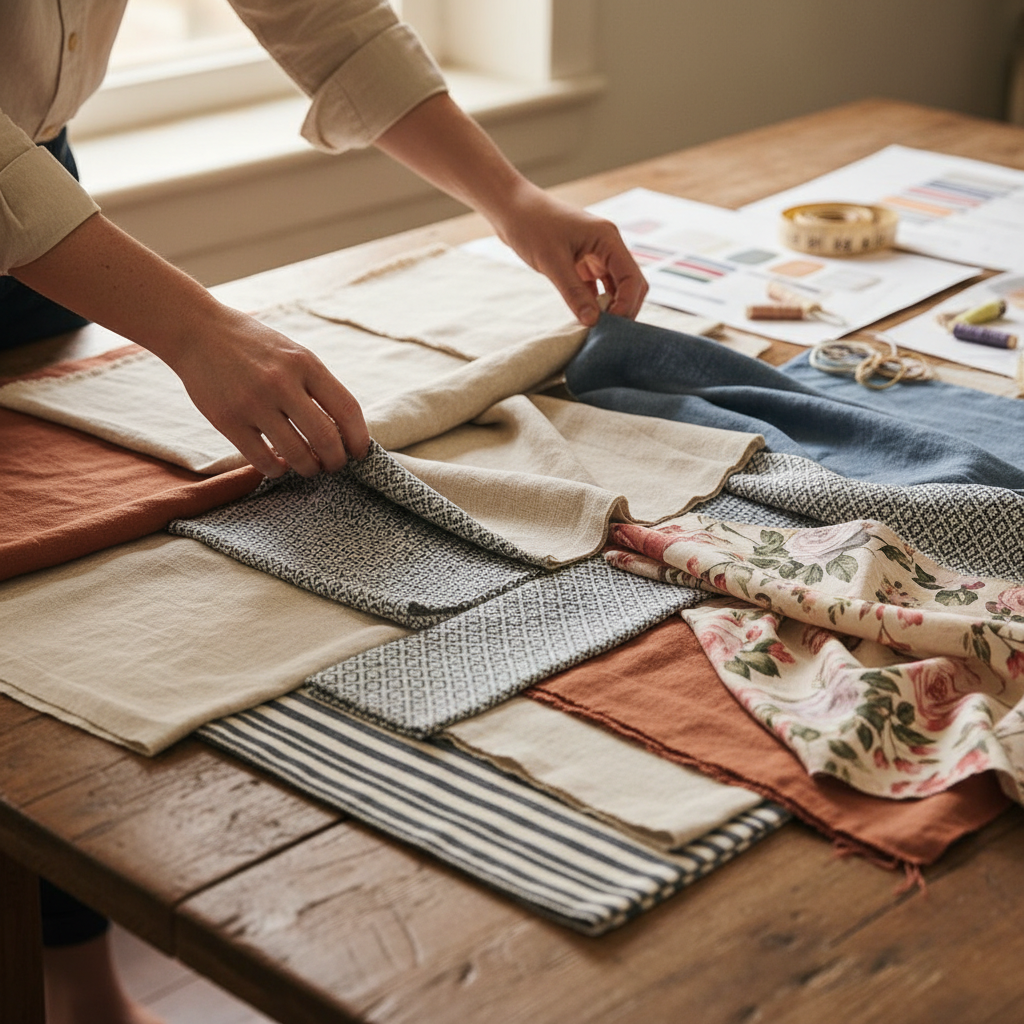
This flexibility not only meets consumer demands but also opens new avenues for creativity in textile design. Manufacturers can experiment with new styles and techniques without the need for extensive machine overhauls.
Sustainability and Efficiency
As the textile industry moves towards sustainability, tufting machinery parts are also evolving to support eco-friendly practices. Energy-efficient motors and components are becoming standard, reducing the carbon footprint of textile production. Additionally, advancements in materials technology are leading to more durable parts that extend the lifespan of tufting machines, minimizing waste.
Future Prospects
Looking ahead, the future of tufting machinery parts is promising. As technology continues to evolve, we can expect even more sophisticated machines that offer enhanced precision, efficiency, and sustainability. This will not only benefit manufacturers but also contribute to a more sustainable textile industry.
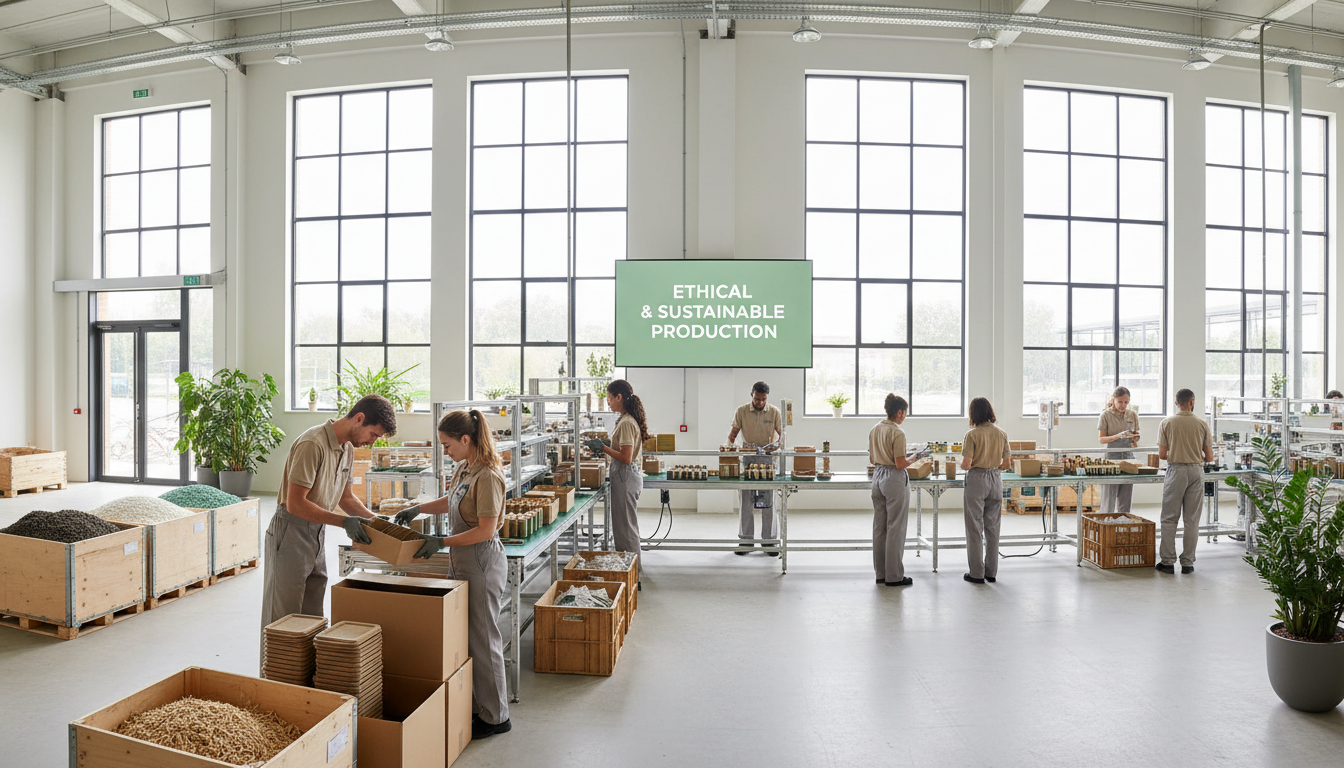
In conclusion, the innovation spotlight on tufting machinery parts highlights a trend towards smarter, more adaptable, and sustainable textile production. As manufacturers embrace these advancements, the future of tufting is set to be more efficient and exciting than ever before.