
How Precision Machining Enhances Tufting Parts Quality


Introduction to Precision Machining in Tufting
In the world of textile manufacturing, the quality of tufting parts plays a crucial role in ensuring the durability and appearance of the final product. Precision machining has emerged as a key player in enhancing these parts, providing unparalleled accuracy and consistency. This advanced technology is reshaping the industry, offering significant benefits over traditional manufacturing methods.
The Role of Precision in Manufacturing
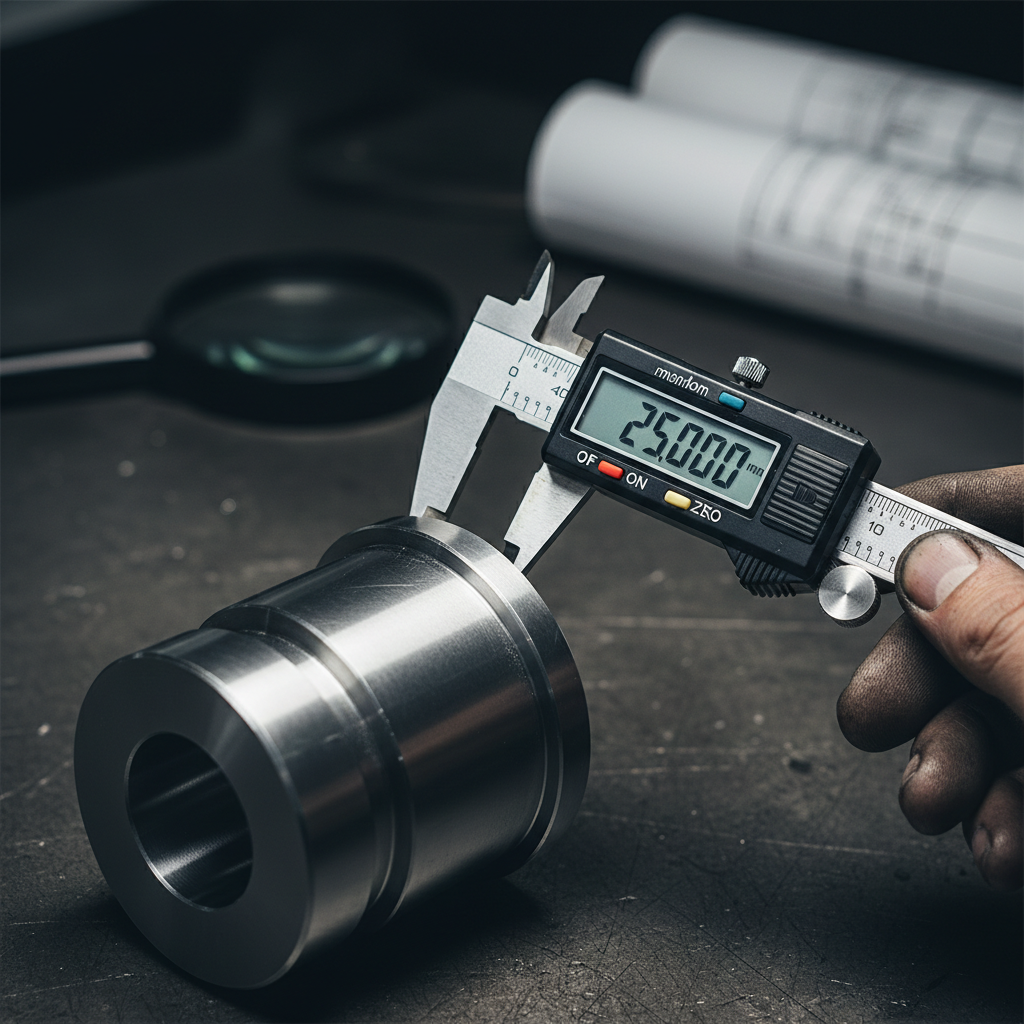
Precision machining involves using advanced machinery and tools to cut, shape, and finish materials with extreme accuracy. For tufting parts, this means creating components that fit perfectly, reducing wear and tear, and extending the lifespan of the machinery. Manufacturers can now produce parts with tolerances within micrometers, ensuring each component works seamlessly with others.
By employing precision machining, manufacturers can achieve a high level of consistency in their products. This consistency is crucial for tufting parts, as even minor variations can lead to significant issues in the final textile product.
Benefits of Precision Machining for Tufting Parts
The benefits of precision machining in the context of tufting parts are numerous:
- Increased Durability: Parts are crafted to exact specifications, reducing the risk of failure.
- Enhanced Performance: Consistent quality ensures smoother operation of tufting machines.
- Cost Efficiency: Reduced need for repairs and replacements lowers overall costs.
Technological Advancements in Precision Machining
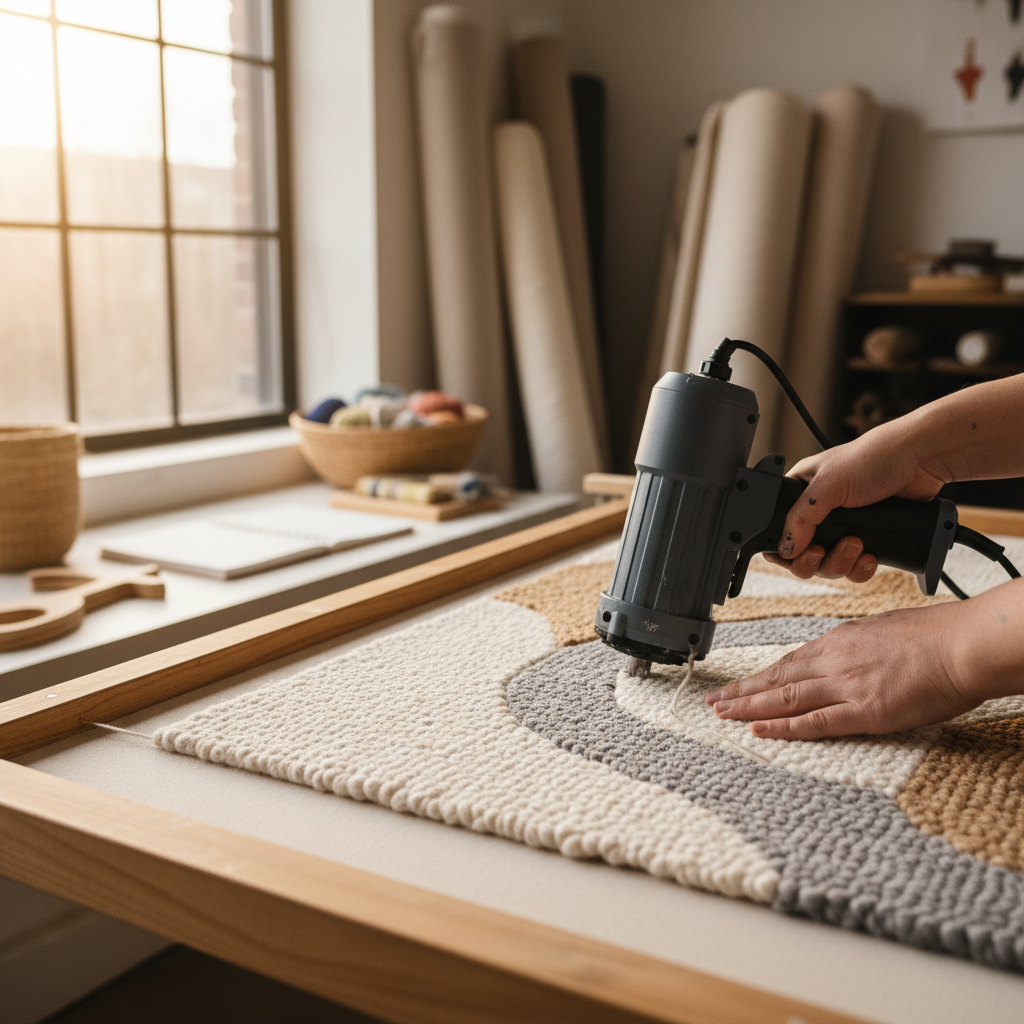
Modern precision machining utilizes cutting-edge technology such as CNC (Computer Numerical Control) machines. These machines are capable of executing complex designs with ease, allowing for the production of intricate tufting parts that were previously impossible to manufacture. The integration of software with hardware enables manufacturers to simulate designs and optimize them before production.
Additionally, the use of high-quality materials in precision machining ensures that tufting parts are not only accurate but also robust enough to withstand the demands of textile production.
The Impact on Quality Control
Precision machining significantly enhances quality control processes. Through detailed design and careful execution, it minimizes the likelihood of defects. This technology allows manufacturers to maintain high standards consistently, ensuring that every tufting part meets the required specifications.
Future Prospects of Precision Machining in Tufting
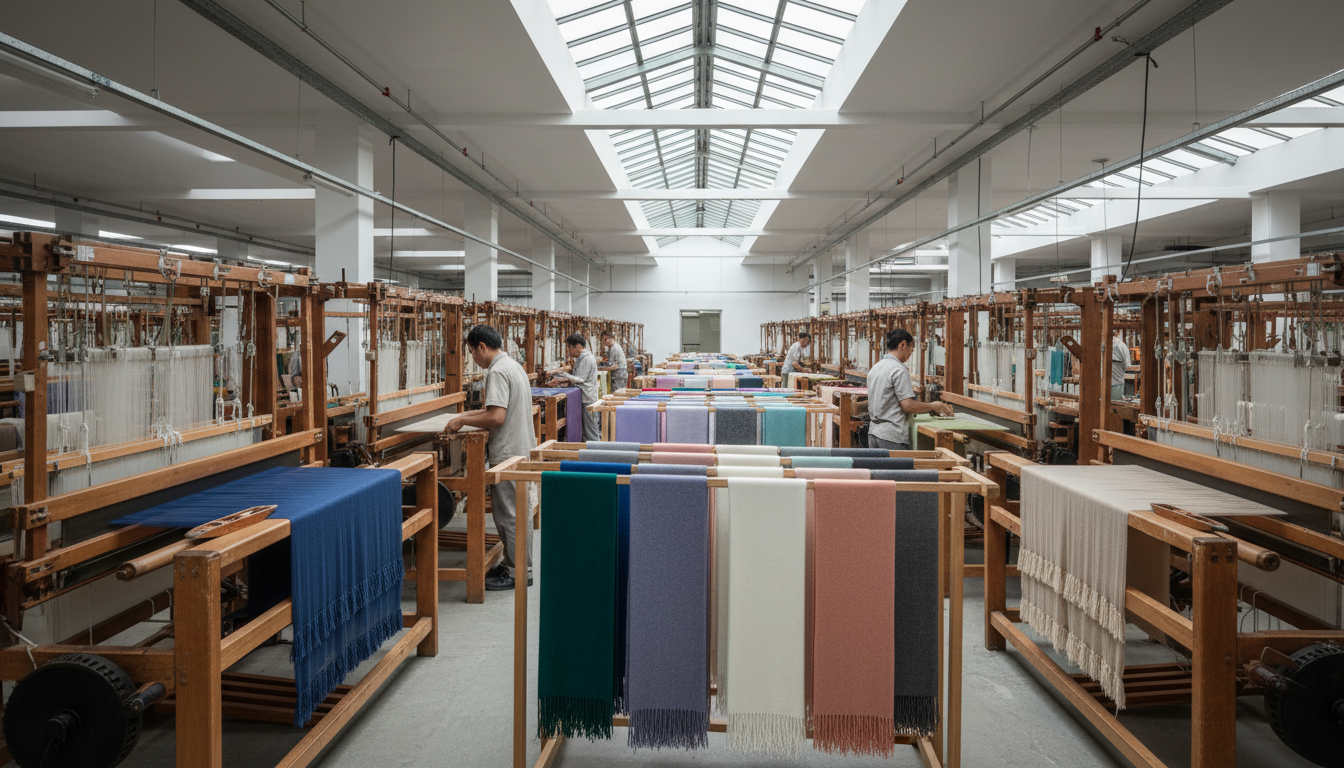
As technology continues to evolve, the future of precision machining in tufting looks promising. Innovations such as AI and machine learning are set to further refine the process, offering even greater precision and efficiency. These advancements will likely lead to the development of new materials and techniques, further enhancing the quality and performance of tufting parts.
In conclusion, precision machining is not merely a trend but a transformative force in the textile industry. By enhancing the quality of tufting parts, it ensures that manufacturers can produce textiles that meet the highest standards of quality and durability, paving the way for a more efficient and reliable production process.