
Exploring the Latest Trends in Tufting Machinery Parts


Introduction to Tufting Machinery Parts
The textile industry continually evolves, driven by innovations in machinery and technology. Tufting machinery, a critical component in this sector, plays a significant role in creating tufted carpets and fabrics. Understanding the latest trends in tufting machinery parts can help businesses stay competitive and efficient.
Advancements in tufting technology have led to more precise and durable components, enhancing productivity and reducing downtime. In this post, we explore some of the key trends shaping the future of tufting machinery parts.
Automation and Digitalization
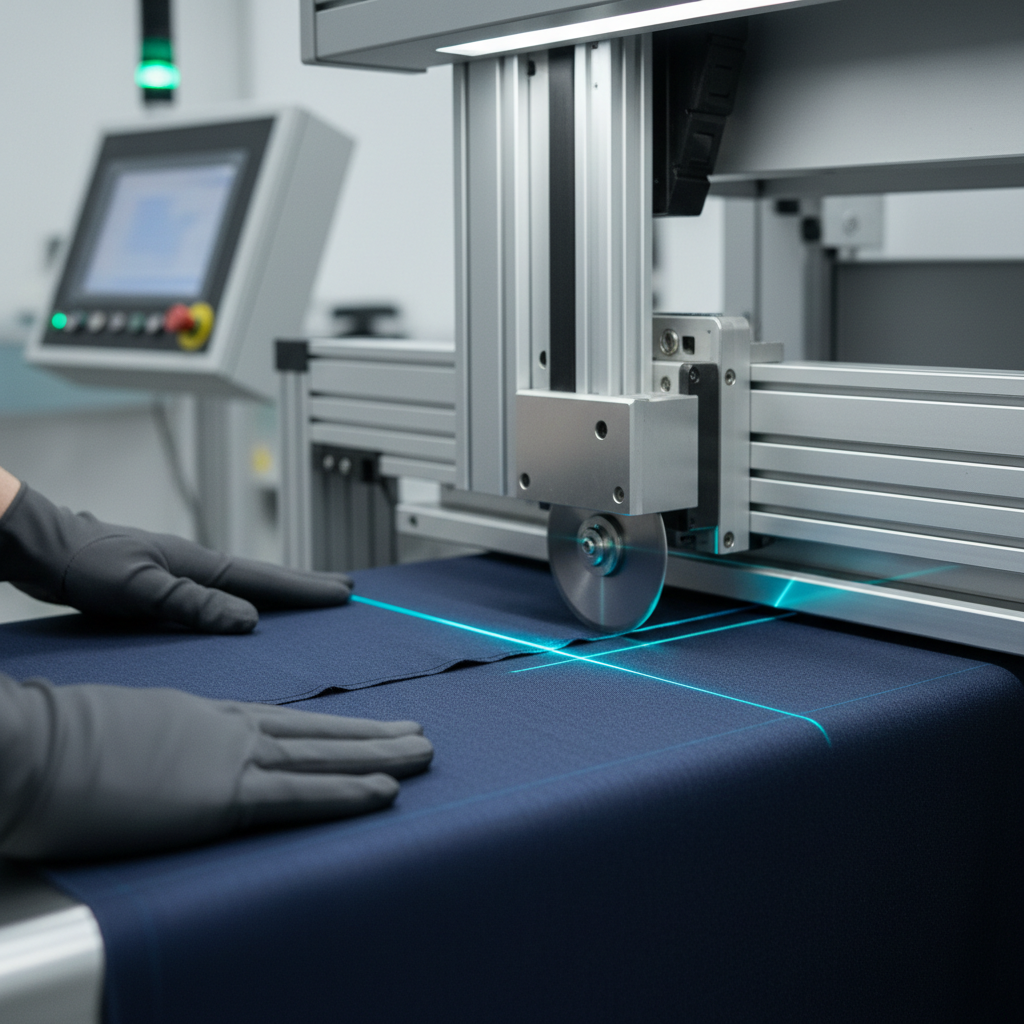
One of the most prominent trends in tufting machinery is the move towards automation and digitalization. Modern machines are increasingly equipped with smart sensors and IoT capabilities that allow for real-time monitoring and adjustments. This technology not only improves efficiency but also reduces the likelihood of errors and maintenance needs.
With digital controls, tufting machines can achieve more intricate designs and patterns, appealing to a broader market. Companies investing in digitalized machinery are finding themselves better equipped to meet complex customer demands.

Enhanced Durability and Sustainability
As environmental concerns grow, the textile industry is focusing more on sustainability. This shift is reflected in the development of tufting machinery parts made from eco-friendly materials, which promise greater durability and less environmental impact. Manufacturers are also designing parts that require less energy, further contributing to a greener footprint.
Some of the sustainable practices include the use of recyclable materials and the development of more efficient motors and drives. These innovations not only benefit the environment but also reduce operational costs for businesses.

Customization and Flexibility
The demand for unique and personalized products is on the rise. Tufting machinery parts are now being designed to offer greater customization and flexibility. Modular designs allow for easy adaptation and modification, enabling manufacturers to switch between different styles and patterns quickly.
This flexibility is crucial in a market that values bespoke solutions. By leveraging customizable machinery, businesses can cater to niche markets and offer a wider range of products.
Integration with AI and Machine Learning
Artificial intelligence and machine learning are becoming integral to tufting machinery. These technologies enhance the capability of machines to learn from data, improving their performance over time. AI-driven analytics can predict maintenance needs, optimize production schedules, and even suggest design improvements.
By integrating AI, companies can achieve higher efficiency and reduce waste, making their operations more profitable and sustainable.

Conclusion
The trends in tufting machinery parts are transforming the textile industry, driving it towards a more efficient, sustainable, and innovative future. By embracing these trends, businesses can not only improve their production processes but also meet the evolving demands of their customers.
Staying informed and adapting to these changes is essential for any company looking to thrive in this competitive landscape. As technology continues to advance, the possibilities for tufting machinery are endless.