
Exploring the Latest Trends in Tufting Machinery Parts: What to Expect


The world of tufting machinery is evolving rapidly, driven by technological advancements and the ever-growing demand for high-quality textiles. As manufacturers race to enhance efficiency and precision, keeping up with the latest trends in tufting machinery parts is crucial for staying competitive in the market.
Innovations in Needle Technology
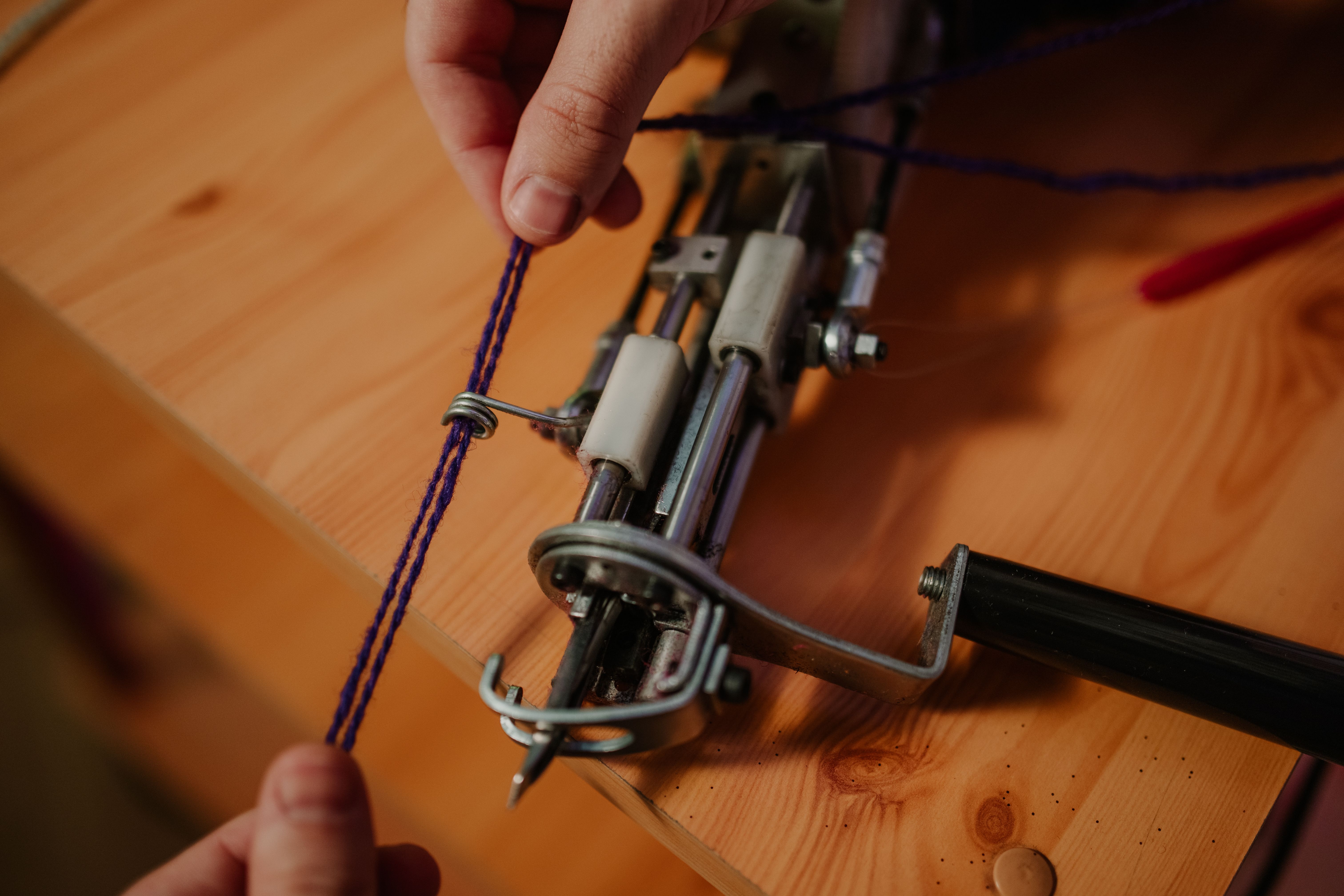
One of the most significant advancements in tufting machinery is the development of new needle technologies. These innovations focus on improving the durability and versatility of needles, ensuring they can handle a wider variety of materials and textures. Enhanced needle designs reduce wear and tear, which translates to longer machine life and less downtime.
Moreover, manufacturers are now exploring the use of specialized coatings on needles to decrease friction and enhance precision. These coatings not only extend the life of the needles but also contribute to the overall quality of the tufted products.
Automation and Smart Features
Automation is at the forefront of modern tufting machinery trends. With the integration of smart features, these machines are becoming more efficient and user-friendly. Automated systems now feature sensors and IoT connectivity, allowing for real-time monitoring and adjustments. This level of automation minimizes human error and optimizes production speed and accuracy.
Additionally, predictive maintenance is gaining traction. By utilizing data analytics, these machines can predict potential failures before they occur, ensuring that maintenance is performed proactively rather than reactively. This shift greatly reduces unexpected downtime and maintenance costs.

Eco-Friendly and Sustainable Practices
The push towards sustainability is influencing every aspect of manufacturing, including tufting machinery parts. Manufacturers are increasingly focusing on developing eco-friendly components that reduce waste and energy consumption. This shift not only benefits the environment but also aligns with the growing consumer demand for sustainable products.
Recyclable materials and energy-efficient designs are becoming standard features in new machinery. Companies that invest in these sustainable practices often see a boost in their brand image, attracting environmentally conscious customers.
Enhanced Control Systems
Control systems in tufting machinery are becoming more sophisticated, offering operators greater control over the tufting process. Advanced software solutions now allow for precise adjustments in real-time, improving product quality and consistency.
These systems often include user-friendly interfaces, making it easier for operators to learn and manage complex processes. As a result, the barrier to entry for using high-tech tufting machines is lowered, enabling more businesses to adopt these technologies.

Future Outlook
As we look to the future, the trends in tufting machinery parts point towards further integration of AI and machine learning. These technologies promise to revolutionize the industry by providing even greater automation and precision. The focus will likely remain on enhancing sustainability and efficiency, catering to the evolving demands of the market.
Staying informed about these trends is essential for businesses looking to maintain a competitive edge in the textile industry. By embracing these innovations, companies can improve their production processes, reduce costs, and offer superior products to their customers.