
Exploring the Innovations in Tufting Parts: What’s New and Why It Matters


The world of tufting has seen remarkable innovations recently, transforming the way we approach carpet and textile manufacturing. This age-old process, which involves inserting yarn into a fabric base to create patterns or textures, has experienced a revolutionary shift due to technological advancements. Understanding these innovations is crucial not only for industry professionals but also for consumers who seek quality and sustainability in their textile products.
Advancements in Tufting Technology
One of the most significant changes in tufting is the integration of cutting-edge technology. Modern tufting machines are now equipped with computerized systems that allow for precision and versatility. These machines can produce intricate designs and patterns with exceptional accuracy, reducing waste and improving efficiency.
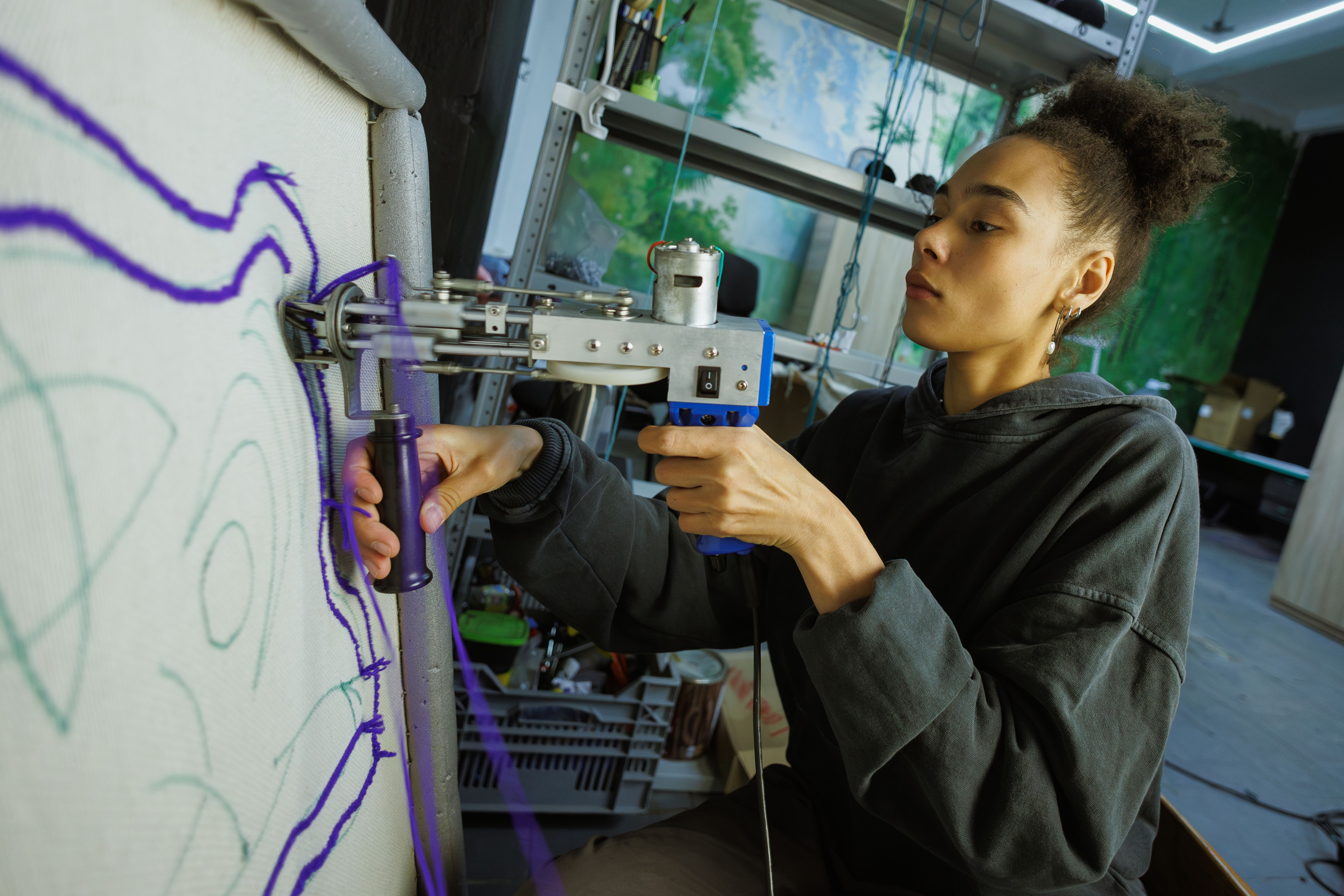
Furthermore, the incorporation of robotics and automation in tufting has streamlined production processes. Automated systems can handle complex tasks that were previously labor-intensive, leading to reduced operational costs and increased output. This shift not only benefits manufacturers but also ensures that consumers receive high-quality products at competitive prices.
Innovative Materials and Sustainability
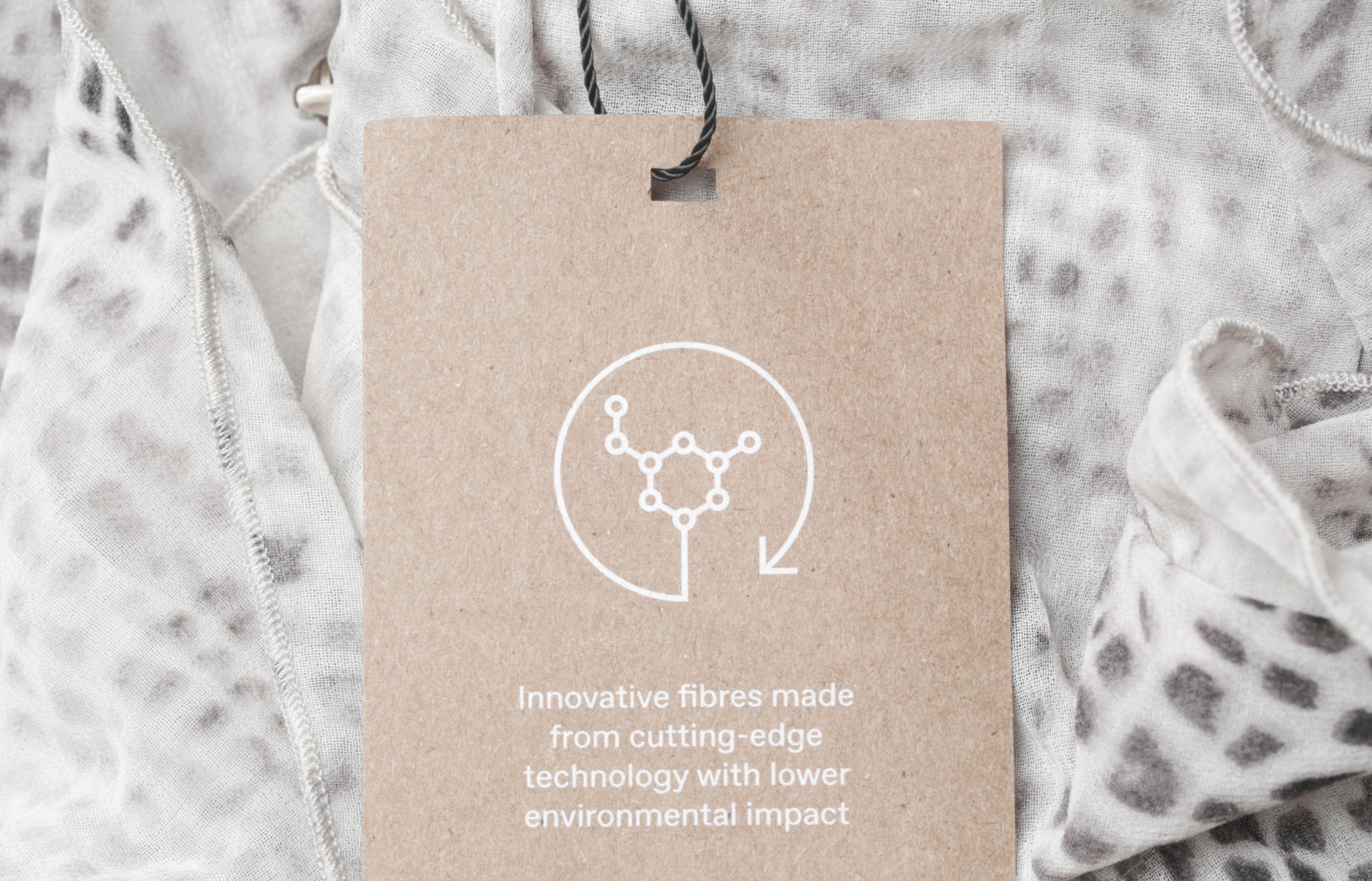
As the demand for sustainable products grows, the tufting industry has responded with innovations in materials. Manufacturers are now exploring eco-friendly yarns made from recycled or biodegradable materials. These sustainable options not only reduce the environmental impact but also offer enhanced durability and aesthetic appeal.
In addition to new materials, advances in dyeing technologies have made it possible to produce vibrant colors without the use of harmful chemicals. This shift towards greener practices reflects a broader industry trend towards sustainability and environmental responsibility.
Customization and Design Flexibility
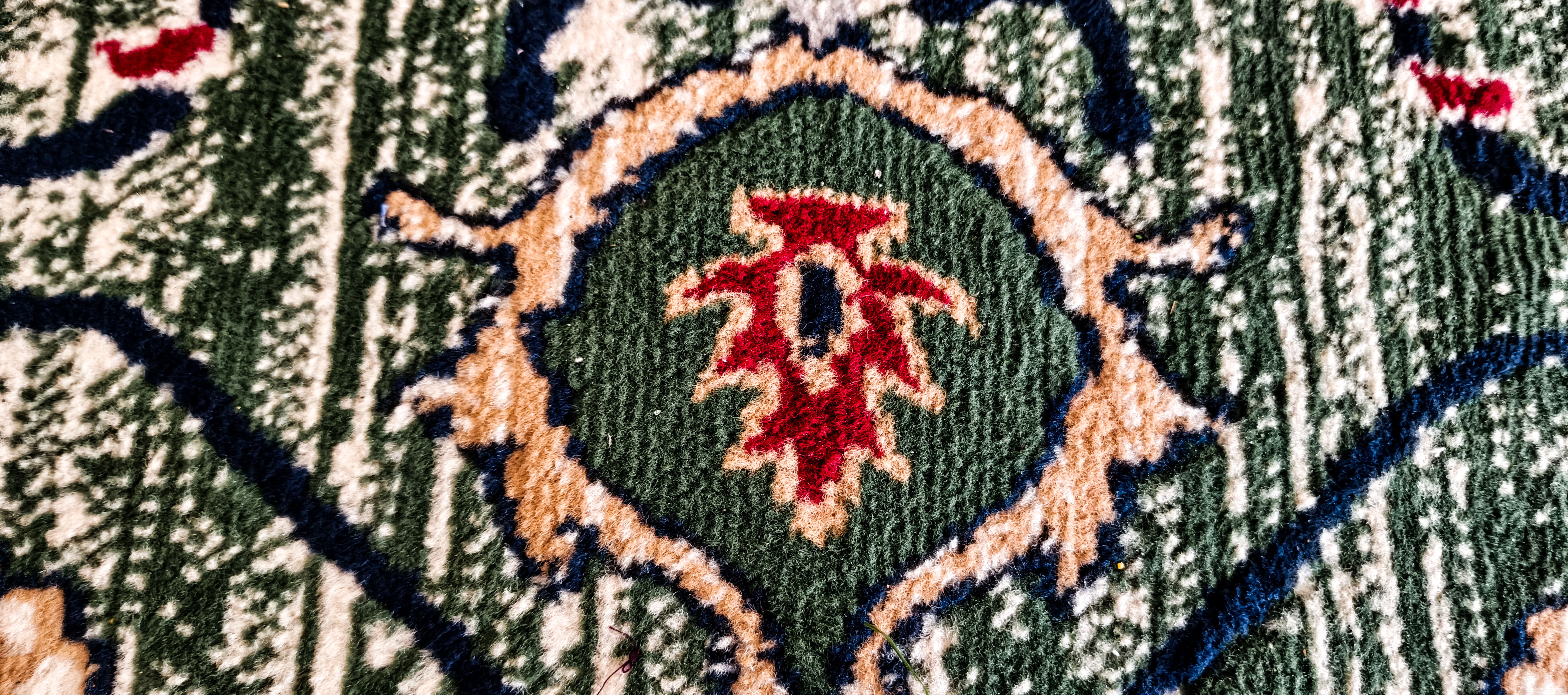
Today's tufting innovations have opened up new possibilities for customization. With the ability to create highly detailed and personalized designs, manufacturers can cater to niche markets and specific consumer preferences. This flexibility allows designers to experiment with textures, patterns, and colors, resulting in unique and bespoke products.
Moreover, the rise of digital design tools has enabled designers to visualize and modify tufting patterns before production. This capability not only saves time but also allows for greater creativity and experimentation in the design process.
The Impact on the Market
The innovations in tufting parts are reshaping the textile and carpet markets. By embracing new technologies and sustainable practices, companies are able to differentiate themselves in a competitive landscape. Consumers are increasingly drawn to products that offer a balance between quality, sustainability, and affordability.
Additionally, these advancements are fostering partnerships between technology providers and textile manufacturers. By collaborating, they can push the boundaries of what's possible in tufting, leading to further innovations and market growth.
Why It Matters
Understanding the latest innovations in tufting is essential for anyone involved in the textile industry. These advancements not only enhance product quality but also promote sustainability and efficiency. As consumers become more conscious of their purchasing decisions, the demand for innovative and eco-friendly products is likely to grow.
By staying informed about these developments, businesses can position themselves as leaders in the industry, offering products that meet the evolving needs of their customers. Embracing these changes is not just about keeping up with trends; it's about shaping the future of the textile industry.