
Expert Tips on Selecting the Right Tufting Parts for Your Needs


Understanding Tufting Parts
Tufting is an intricate craft that requires precision and the right components. Whether you're a seasoned professional or a hobbyist, selecting the correct tufting parts can greatly enhance your project. Knowing which parts to use can make the difference between a smooth experience and constant frustration.
To begin, it's crucial to understand the different components available. These parts include needles, tufting cloth, and frames, each serving a unique purpose. Selecting the right one depends on your specific needs and the type of tufting project you're undertaking.
Choosing the Right Needles
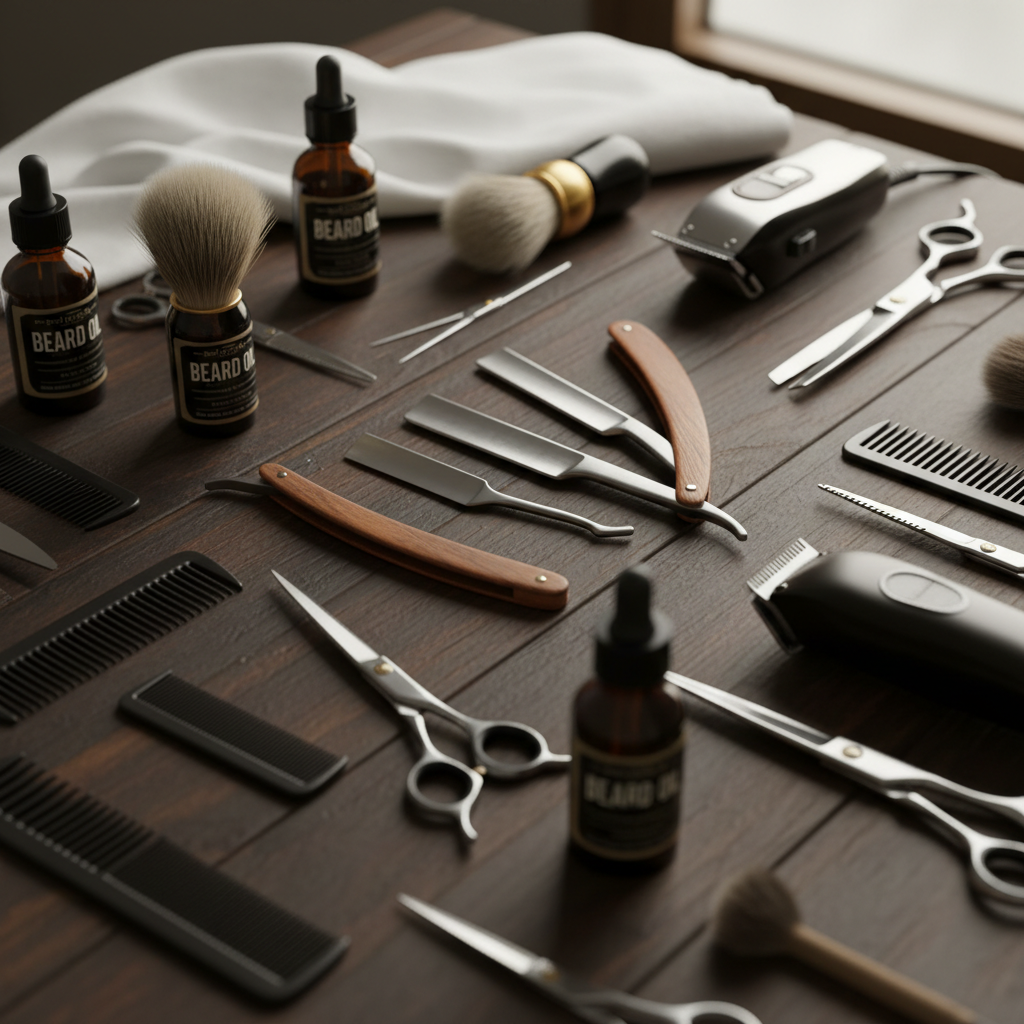
Needles are the backbone of any tufting project. They come in various sizes and shapes, and choosing the right one can affect the quality of your work. Consider the material of your fabric and the thickness of the yarn you plan to use. Selecting the appropriate needle will ensure smooth stitching and a professional finish.
For beginners, it's advisable to start with a standard needle size that matches common yarns. As you gain experience, you can experiment with different sizes to achieve various textures and effects. Investing in a quality needle set can save you time and effort in the long run.
Selecting the Ideal Tufting Cloth
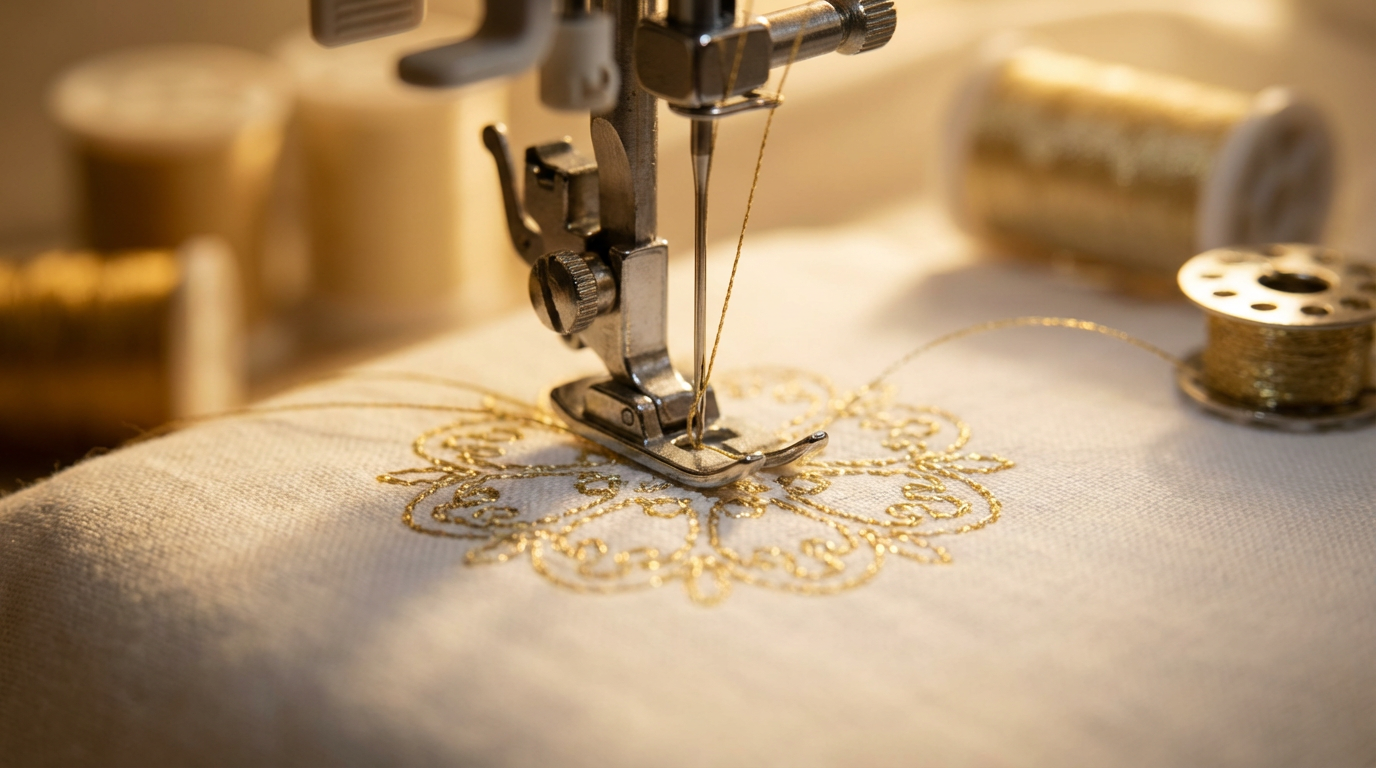
The tufting cloth is another essential component. Its quality and texture can significantly impact the outcome of your project. Most tufting cloths are made from durable materials like cotton or polyester. When choosing a cloth, consider the density and weave, as these factors influence the ease of tufting and the final appearance of the piece.
It's also important to match the tufting cloth to the size of your frame. A well-fitted cloth ensures stability and reduces the risk of wrinkles or uneven tufting. Ensure the cloth is taut but not overly stretched on the frame.
Understanding Tufting Frames
The frame holds your tufting cloth in place, providing the necessary tension for precise work. Frames come in various sizes and materials, such as wood or metal. Your choice will depend on the scale of your project and your working space.
For large projects, opt for a sturdy, adjustable frame that can accommodate different cloth sizes. If space is limited, a portable or collapsible frame might be more suitable. A good frame will maintain tension and allow you to work comfortably for extended periods.
Additional Tools and Accessories
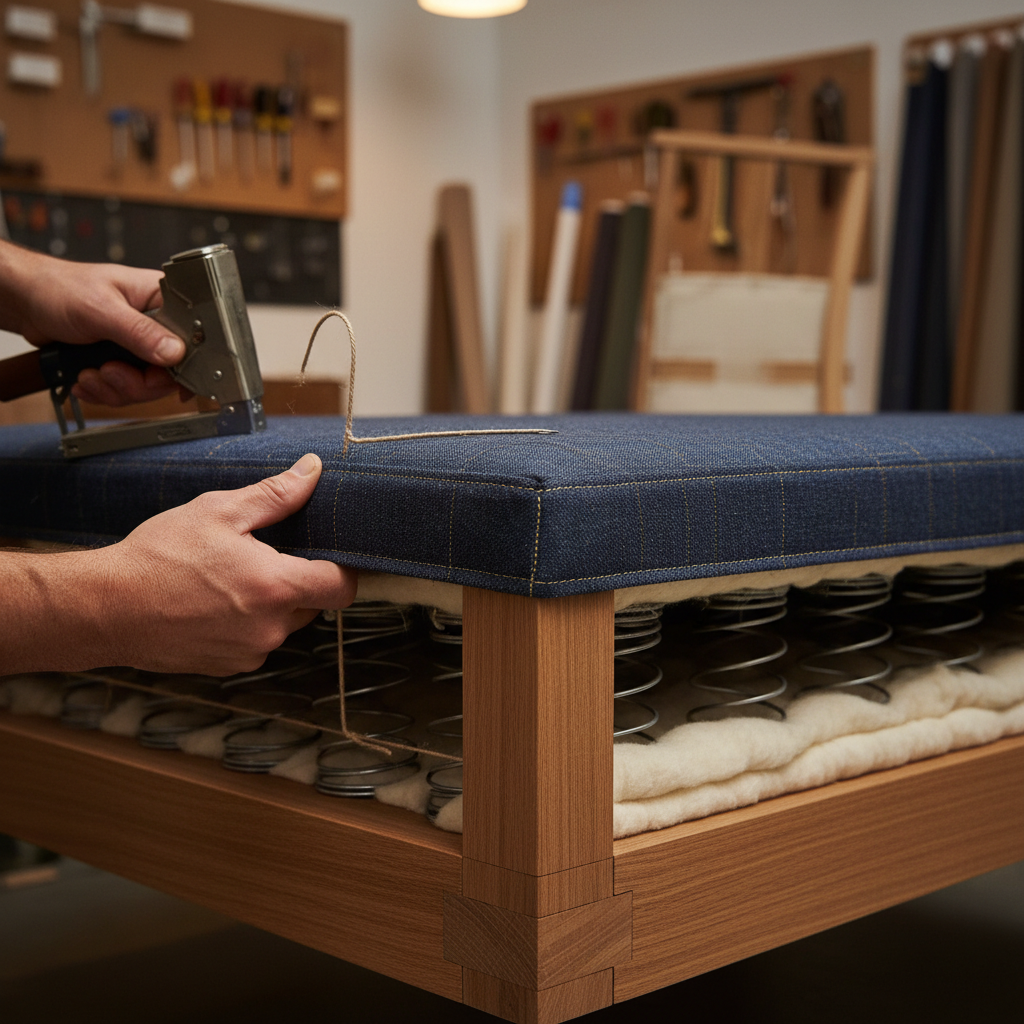
Beyond the basics, several tools can enhance your tufting experience. Consider investing in a tufting gun for speed and precision in larger projects. Scissors, measuring tapes, and threaders are also valuable additions to your toolkit.
Accessories like yarn guides and tensioners can further improve your workflow. While optional, these tools can help streamline the process, making tufting more enjoyable and less labor-intensive.
Conclusion
Selecting the right tufting parts is essential for achieving professional results and enjoying the tufting process. By understanding the role of each component and considering your specific needs, you can make informed decisions that enhance your work. Investing in quality tools and materials will pay off in the long run, leading to beautiful, long-lasting projects.