
Expert Tips for Maintaining Your Precision Machined Parts


Understanding the Importance of Maintenance
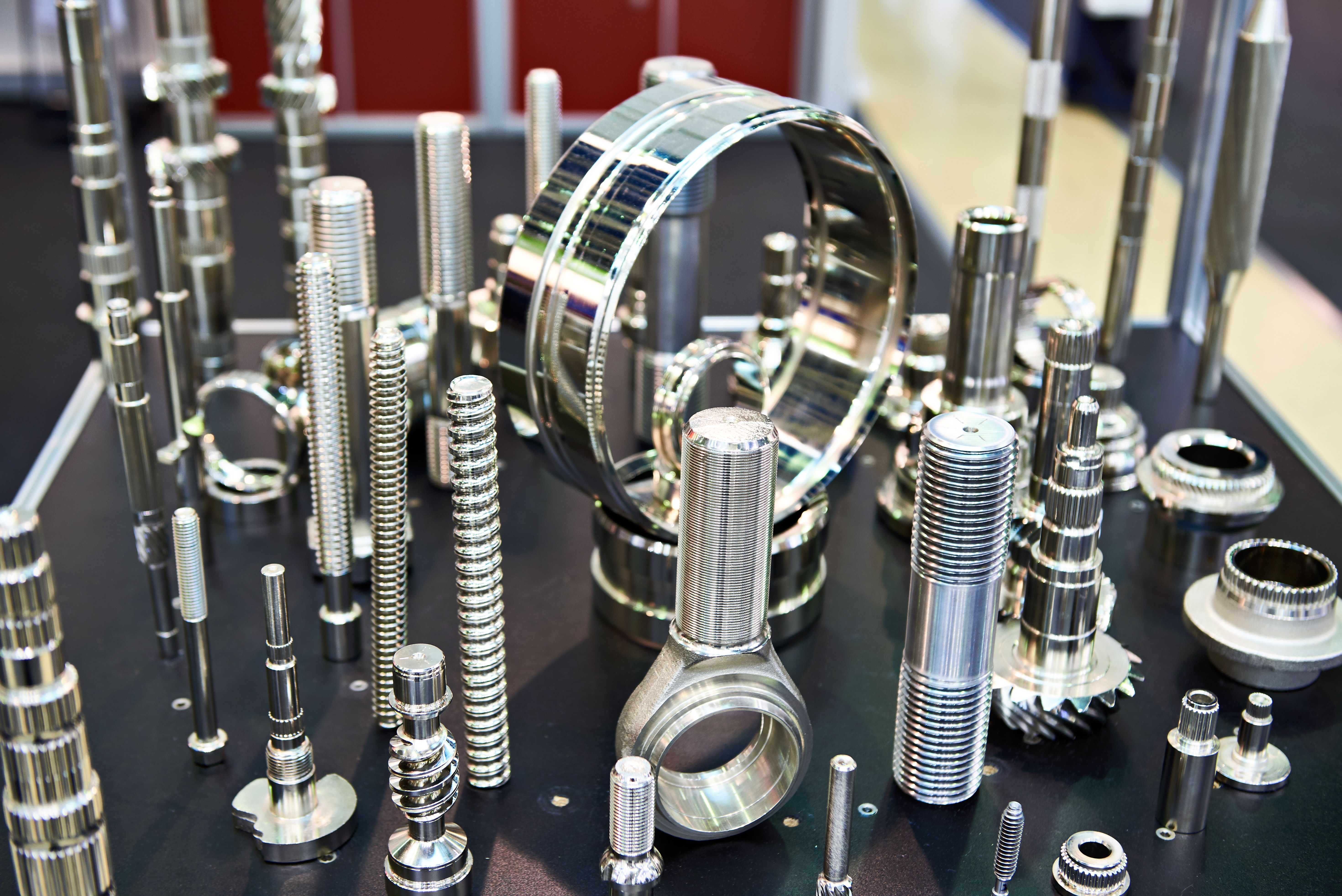
Precision machined parts are integral to numerous industries, from aerospace to automotive. These components require meticulous care to ensure they function optimally. Regular maintenance not only extends the life of these parts but also prevents costly downtime.
Proper maintenance involves a combination of regular inspections, cleaning, and timely replacements. By following expert tips, you can keep your machined parts in excellent condition and ensure peak performance.
Routine Inspections
One of the most effective ways to maintain precision machined parts is through routine inspections. Regular checks help identify wear and tear before they become significant issues. Inspect all moving parts, and pay particular attention to areas that experience frequent friction.
Using tools such as calipers and micrometers can help measure wear. If any parts show signs of excessive wear, it’s crucial to replace them promptly to avoid further damage.
Cleaning and Lubrication
Cleaning is another essential aspect of maintaining machined parts. Dirt, dust, and debris can accumulate over time, leading to abrasion and potential damage. Use the appropriate cleaning solutions and tools for each material to avoid corrosion or wear.
Lubrication is equally important. Proper lubrication reduces friction, minimizes wear, and ensures smooth operation. Always use the recommended lubricants and follow the manufacturer’s guidelines for application frequency.
Timely Replacements
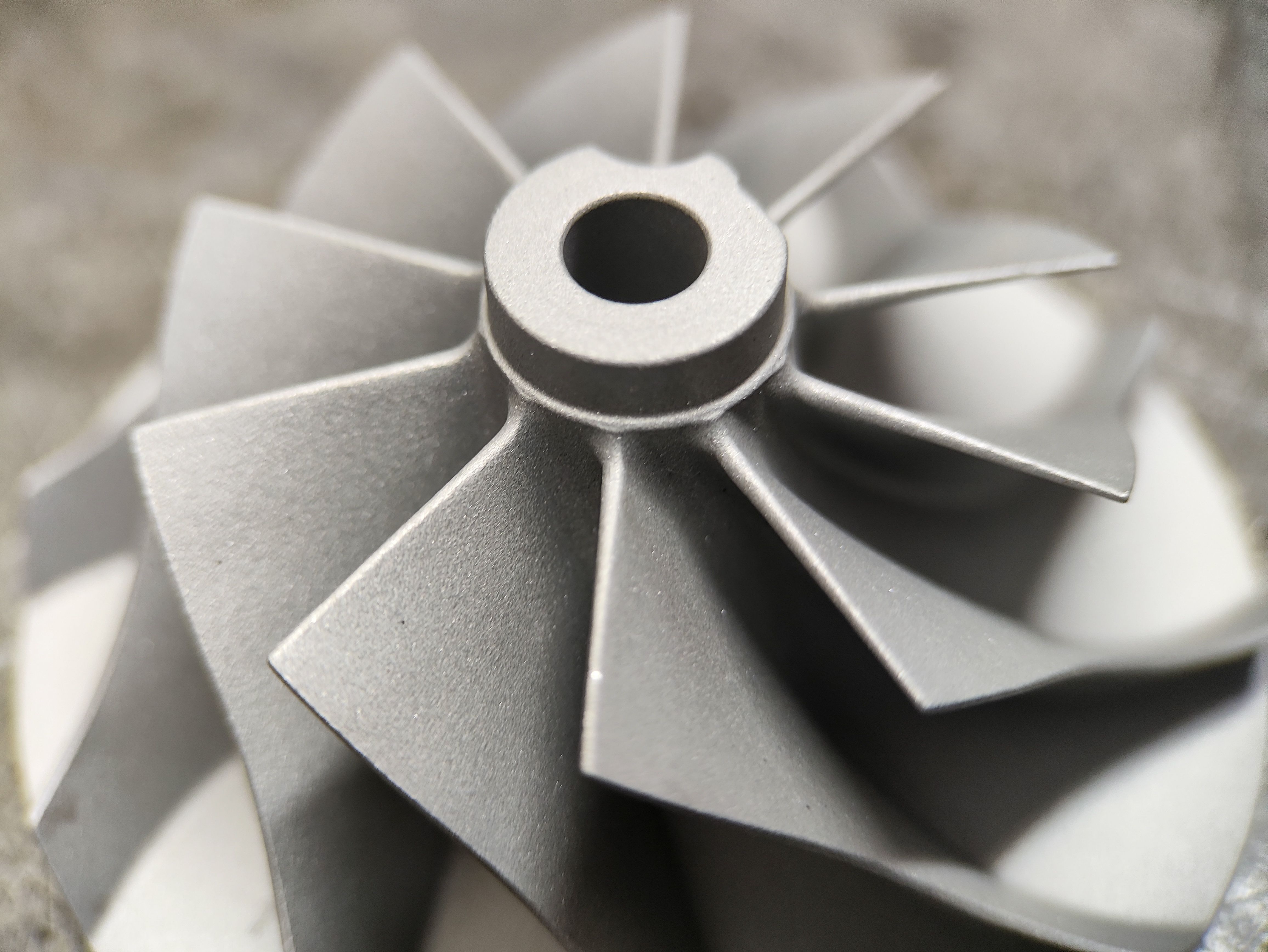
Despite regular maintenance, some parts will eventually need replacement. Keeping a schedule for replacement based on usage and manufacturer recommendations can prevent unexpected failures. Make sure to source high-quality replacements to maintain the integrity of the machinery.
Stocking essential spare parts can also reduce downtime. It’s wise to maintain an inventory of commonly used components to ensure they are readily available when needed.
Training and Documentation
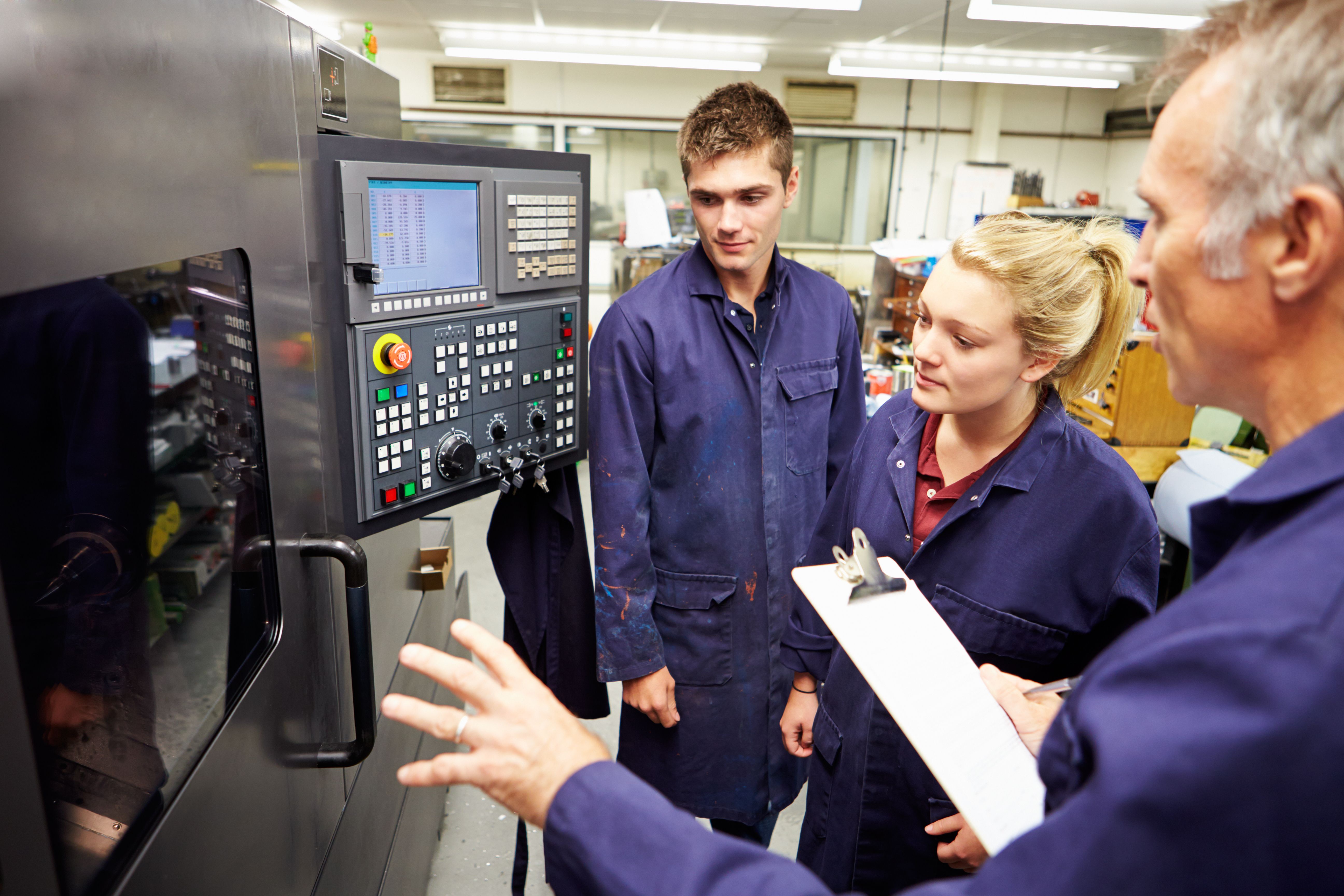
Proper training for staff handling precision machined parts is crucial. Educate them on the importance of maintenance and the correct procedures for inspecting, cleaning, and replacing parts. Well-trained personnel can help keep your machinery running smoothly.
Documenting maintenance activities is also beneficial. Keeping detailed records of inspections, cleanings, and replacements can help track performance and identify patterns or recurring issues. This data can be invaluable for making informed maintenance decisions.
Conclusion
Maintaining precision machined parts requires diligence and attention to detail. By following these expert tips, you can extend the lifespan of your parts and ensure they operate efficiently. Remember, proactive maintenance is always more cost-effective than reactive repairs.
Investing time and resources into a structured maintenance plan will pay off in the long run, keeping your operations smooth and your machinery in top condition.