Expert Tips for Maintaining Precision Machined Parts


Understanding the Importance of Maintenance
Precision machined parts are critical components in various industries, including aerospace, automotive, and medical devices. These parts must be maintained meticulously to ensure optimal performance and longevity. Proper maintenance can prevent unnecessary wear and tear, reducing downtime and saving costs in the long run.
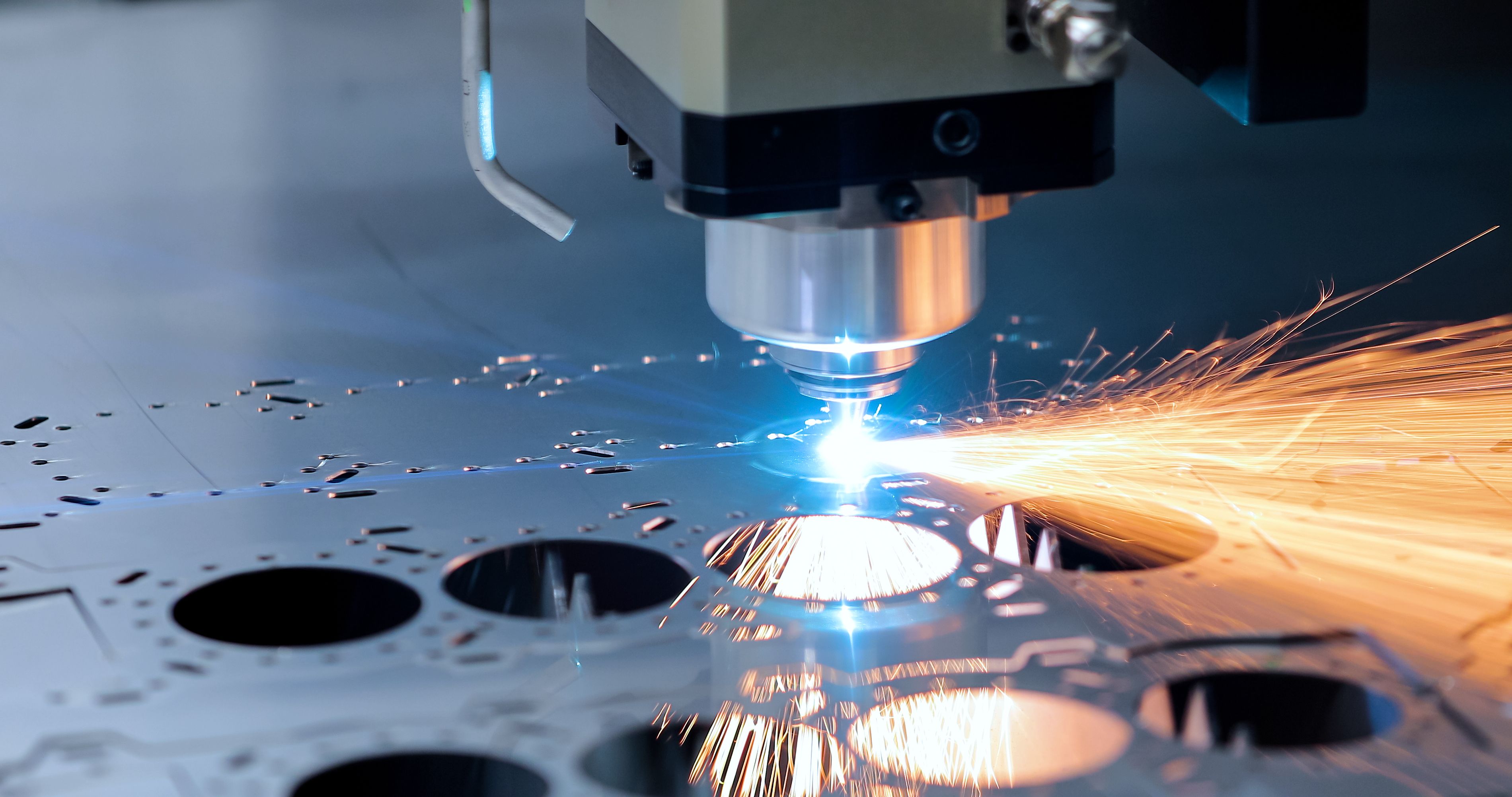
Maintenance not only extends the life of the parts but also ensures they continue to meet the exact specifications required for their application. This is crucial in industries where even the smallest deviation can lead to significant issues.
Regular Cleaning and Inspection
Cleaning Techniques
Regular cleaning is essential to maintain the precision of machined parts. Dust, dirt, and other contaminants can build up and affect the part's performance. Use appropriate cleaning agents and methods, such as ultrasonic cleaning, to ensure thoroughness without causing damage.
Scheduled Inspections
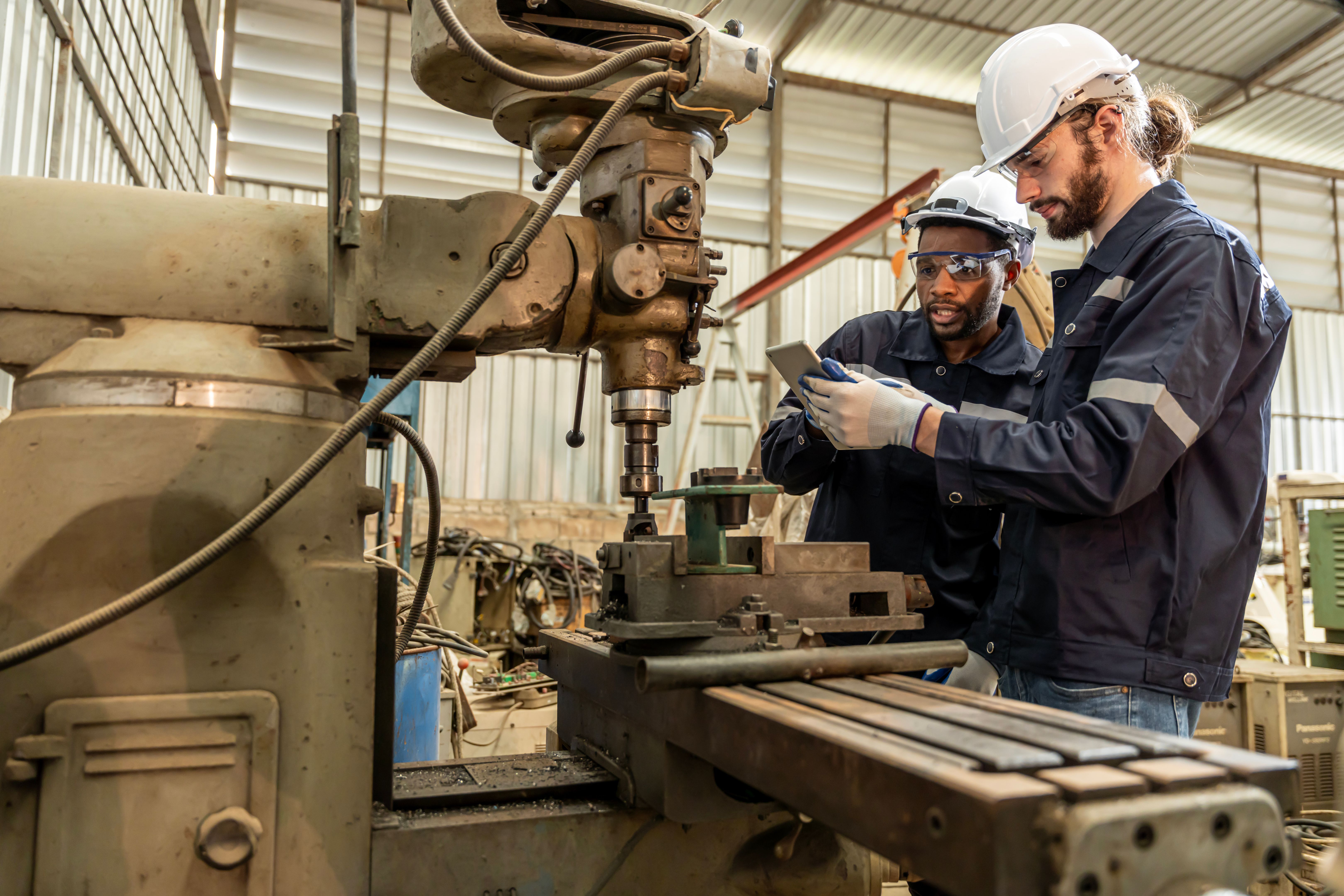
Implement a routine inspection schedule to identify potential issues early. Inspections should include checks for signs of wear, corrosion, or misalignment. Addressing these problems promptly can prevent more severe damage.
Lubrication and Alignment
Importance of Proper Lubrication
Lubrication is vital for reducing friction and preventing wear. Use high-quality lubricants designed for the specific materials and operating conditions of your parts. Regular lubrication also helps in maintaining smooth operation and prolonging the part's lifespan.
Ensuring Correct Alignment
Misalignment can lead to uneven wear and potential failure. Regular checks and adjustments are necessary to maintain precise alignment. Use precision tools to ensure accuracy, and don't overlook the importance of training staff to recognize and correct alignment issues.

Implementing a Maintenance Schedule
Establishing a comprehensive maintenance schedule is crucial for the upkeep of precision machined parts. This schedule should outline daily, weekly, and monthly tasks to ensure nothing is overlooked. It should also include detailed records of each maintenance activity performed.
Moreover, incorporating predictive maintenance techniques can further enhance the effectiveness of your maintenance strategy. Using data analytics and monitoring tools can help predict when a part might fail, allowing for proactive measures.
Training and Skill Development
Ensuring that your team is well-trained in maintenance practices is essential. Regular training sessions can keep the team updated with the latest techniques and technologies available for maintaining precision parts. Encourage skill development and certification programs to enhance expertise.
Investing in your team's skills not only improves the maintenance quality but also boosts morale and productivity. A knowledgeable team is a critical asset in maintaining the precision and performance of machined parts.