
Expert Tips: Maintaining Your Tufting Equipment for Longevity


Understanding Your Tufting Equipment
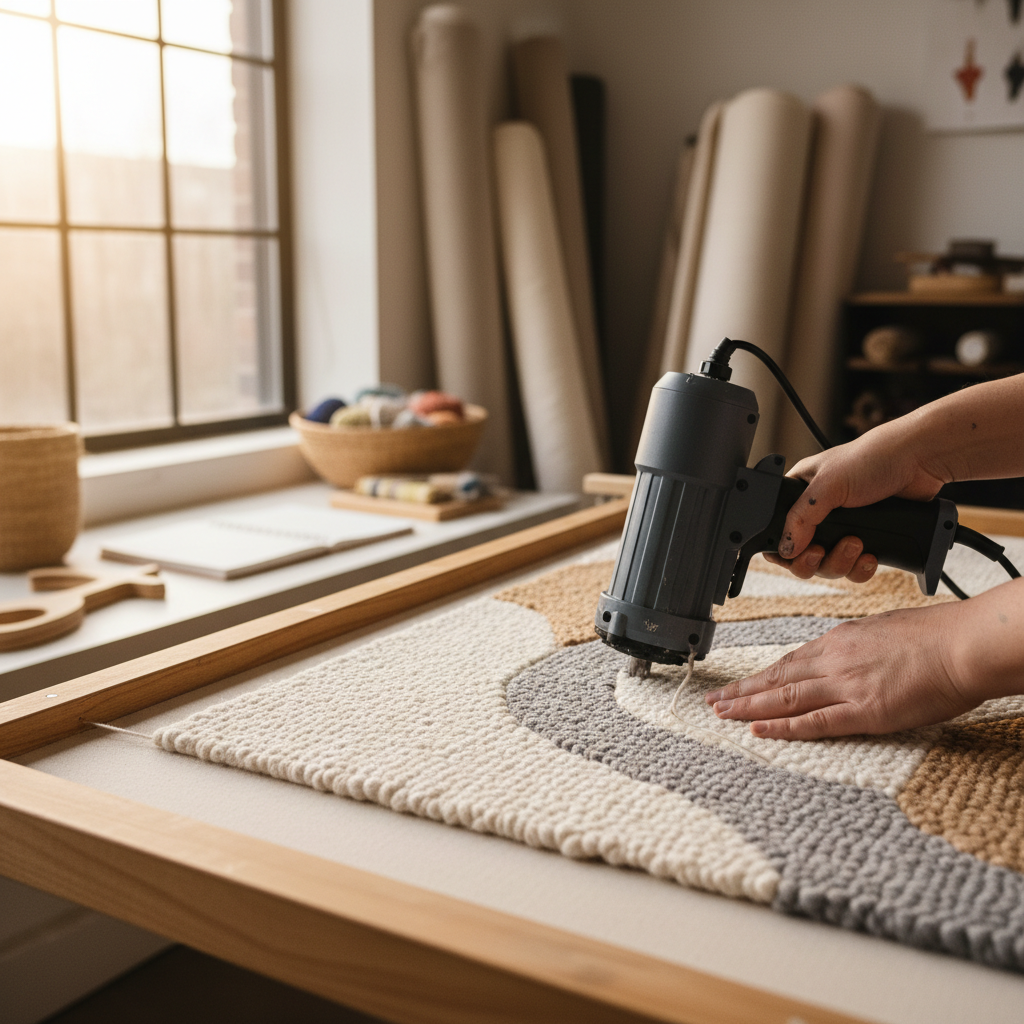
Tufting equipment is a crucial investment for anyone involved in textile production. Proper maintenance not only ensures the longevity of your machines but also optimizes their performance. Understanding the components and functions of your equipment is the first step towards effective maintenance.
Regular Cleaning Routine
A consistent cleaning schedule is essential for maintaining your tufting equipment. Dust and lint can accumulate quickly, affecting the machine's efficiency. Regularly clean all accessible parts with a soft brush or compressed air. Pay special attention to the needle area and the yarn guides.
It's crucial to use the right cleaning agents. Avoid harsh chemicals that could damage delicate parts. Instead, opt for mild soap solutions and ensure all components are dry before reassembly.
Lubrication Is Key
Proper lubrication reduces friction and wear on moving parts, ensuring smooth operation. Use high-quality machine oil and apply it to the recommended areas as per the manufacturer's guidelines. Be careful not to over-lubricate, as this can attract dust and debris, causing more harm than good.

Regular Inspections
Performing routine inspections allows you to identify potential problems before they escalate. Check for signs of wear and tear, such as frayed belts or loose screws. Tighten any loose components and replace worn-out parts promptly to prevent further damage.
Keep a maintenance log to track the condition of your equipment. This record can be invaluable in diagnosing recurring issues and planning future maintenance tasks.
Proper Storage
When not in use, store your tufting equipment in a clean, dry environment. Exposure to moisture can lead to rust and corrosion, compromising the machine's integrity. Use protective covers to shield your equipment from dust and accidental damage.
Training and Safety
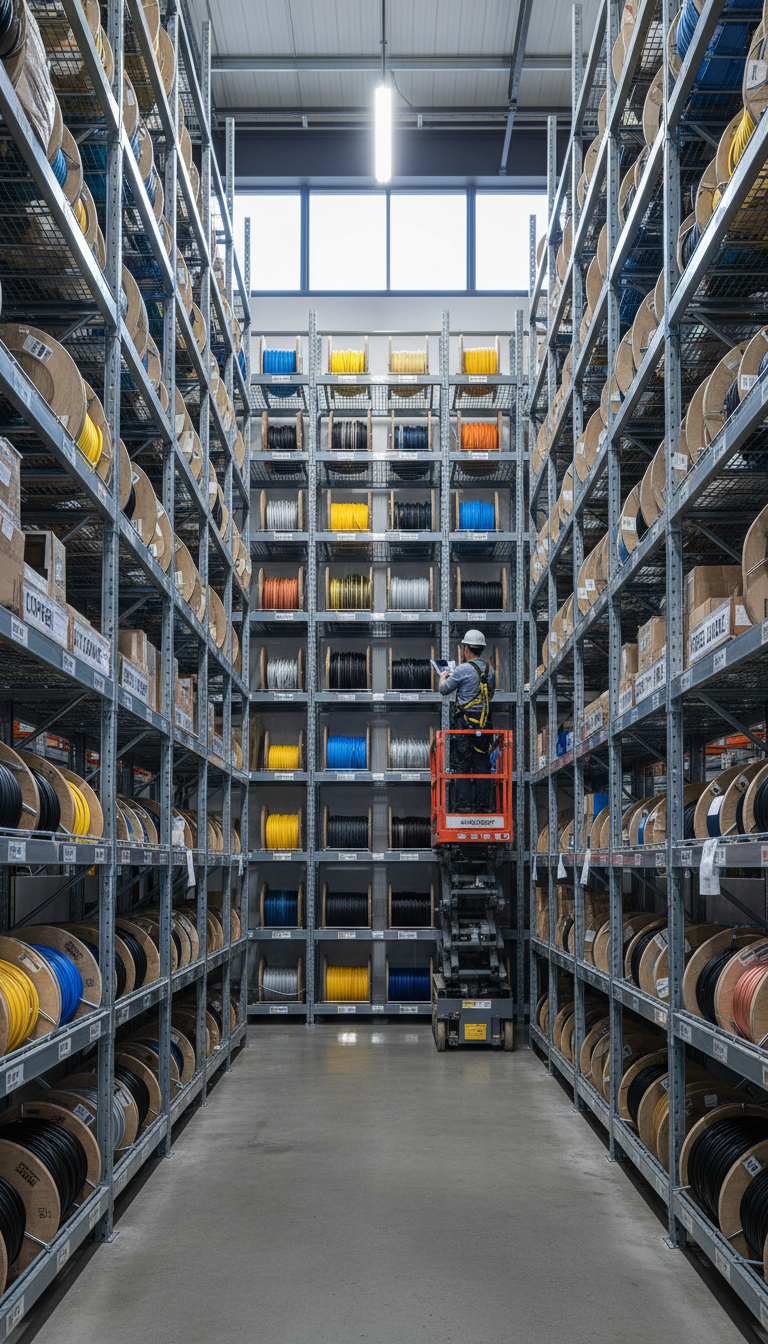
Ensure that all operators are well-trained in using and maintaining the equipment. Understanding the machine's operation and safety measures can prevent accidents and equipment damage. Provide regular training sessions to keep staff updated on best practices.
Implementing a safety checklist can also minimize risks. Ensure all safety guards are in place and functioning, and that the workspace is free of clutter.
Conclusion
Maintaining your tufting equipment is essential for ensuring its longevity and optimal performance. By following these expert tips on cleaning, lubrication, inspection, storage, and training, you can keep your machines running smoothly for years to come. Remember, a well-maintained machine is not only more efficient but also a safer investment.