
Expert Advice on Custom Tufting Part Fabrication


Understanding Custom Tufting Part Fabrication
Custom tufting is an intricate art that combines creativity with precision engineering. It's essential for anyone involved in upholstery, interior design, or manufacturing to understand the nuances of tufting part fabrication. This process involves crafting parts that are tailored to specific design requirements, ensuring both aesthetic appeal and functional durability.
Creating custom tufting parts requires a blend of various materials and techniques. From selecting the right fabric to choosing the appropriate tufting tools, each decision impacts the final product's quality. Here, we delve into expert advice on navigating this complex yet rewarding process.

The Importance of Material Selection
Material selection is the cornerstone of successful custom tufting part fabrication. The fabric's texture, color, and durability must align with the intended use and design vision. Whether using luxurious velvet for a high-end piece or durable leather for a commercial project, material choice profoundly influences the outcome.
Experts recommend working closely with suppliers to understand the properties of different fabrics. Conducting tests to determine wear resistance and colorfastness can prevent potential issues down the line. This proactive approach ensures that the materials not only look good but also withstand the test of time.

Precision in Design and Measurement
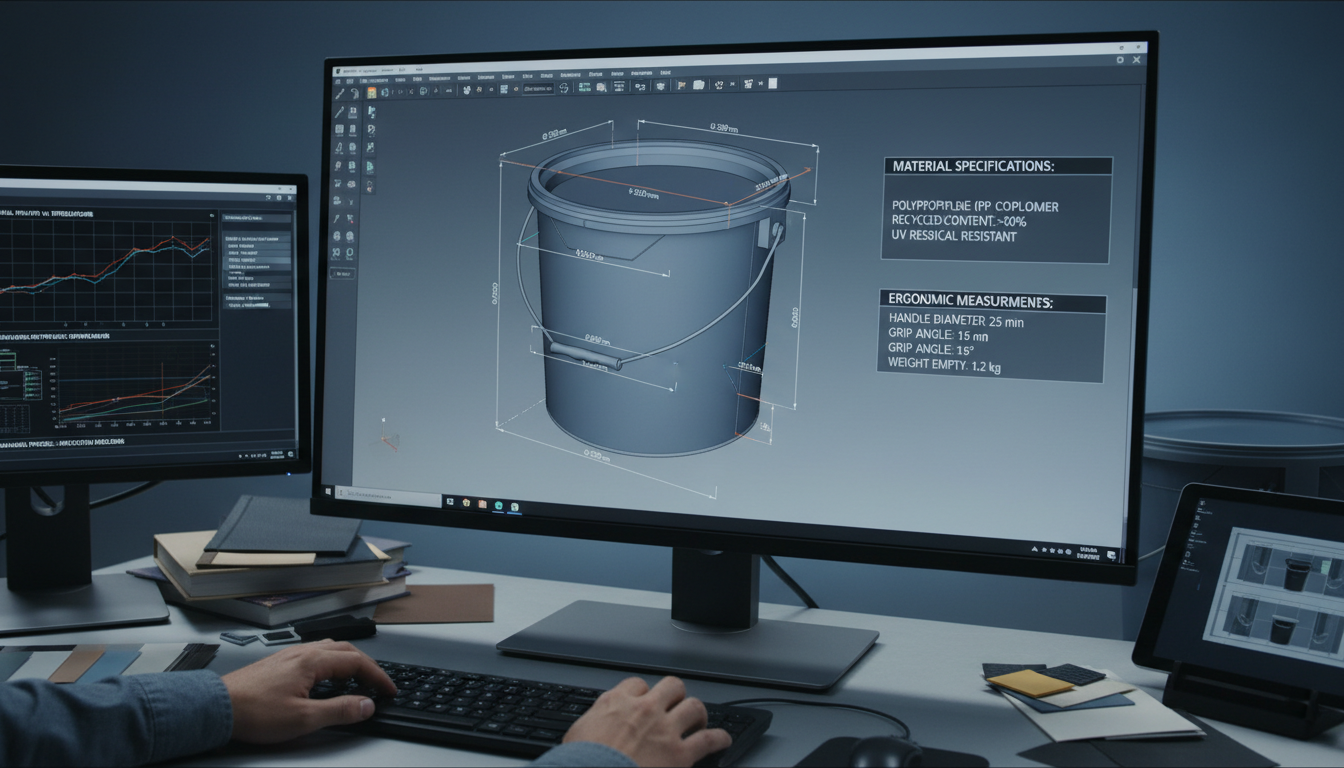
Accurate design and measurement are crucial in custom tufting. Even minor errors can lead to misaligned patterns or ill-fitting components. Professionals emphasize the importance of detailed planning and the use of digital tools to create precise designs.
Utilizing software for design visualization helps in foreseeing potential challenges and making necessary adjustments before production begins. This not only saves time but also reduces material wastage, contributing to more sustainable practices.
Using the Right Tools and Techniques
The tools used in tufting are as critical as the materials. High-quality tufting needles, buttons, and base materials form the backbone of the creation process. Selecting the right tools depends on the fabric type and the tufting style—whether it's diamond, biscuit, or channel tufting.
Professionals often recommend investing in ergonomic tools that reduce strain during prolonged use. Additionally, staying updated with the latest tufting techniques can help artisans produce more refined and intricate designs, setting their work apart in a competitive market.
Quality Control and Final Adjustments
Once the fabrication process is complete, rigorous quality control is essential. This step ensures that all parts meet the specified standards and fit perfectly into the overall design. Checking for consistency in stitching, button placement, and fabric tension are key components of quality assurance.
Experts suggest using a checklist to verify each aspect of the fabricated parts, making any necessary adjustments before the final assembly. This meticulous attention to detail not only enhances the product's aesthetic appeal but also its longevity.

Conclusion
Custom tufting part fabrication is a dynamic field that requires a blend of creativity, precision, and technical know-how. By focusing on material selection, design accuracy, tool quality, and stringent quality control, professionals can achieve exceptional results. Whether for bespoke furniture or large-scale commercial projects, these expert insights provide a roadmap to success in the art of custom tufting.