DIY Tips for Basic Metal Fabrication at Home


Getting Started with Metal Fabrication
Diving into metal fabrication at home can be an exciting journey. With the right tools and a bit of knowledge, you can create everything from simple brackets to intricate sculptures. Before you begin, ensure you have a dedicated workspace and basic safety equipment such as gloves, goggles, and a mask.
Start by gathering essential tools such as a hacksaw, metal file, and a drill. For more advanced projects, you might consider investing in a welder or a plasma cutter. Always remember to work in a well-ventilated area to avoid inhaling fumes.
Understanding the Basics of Cutting and Shaping
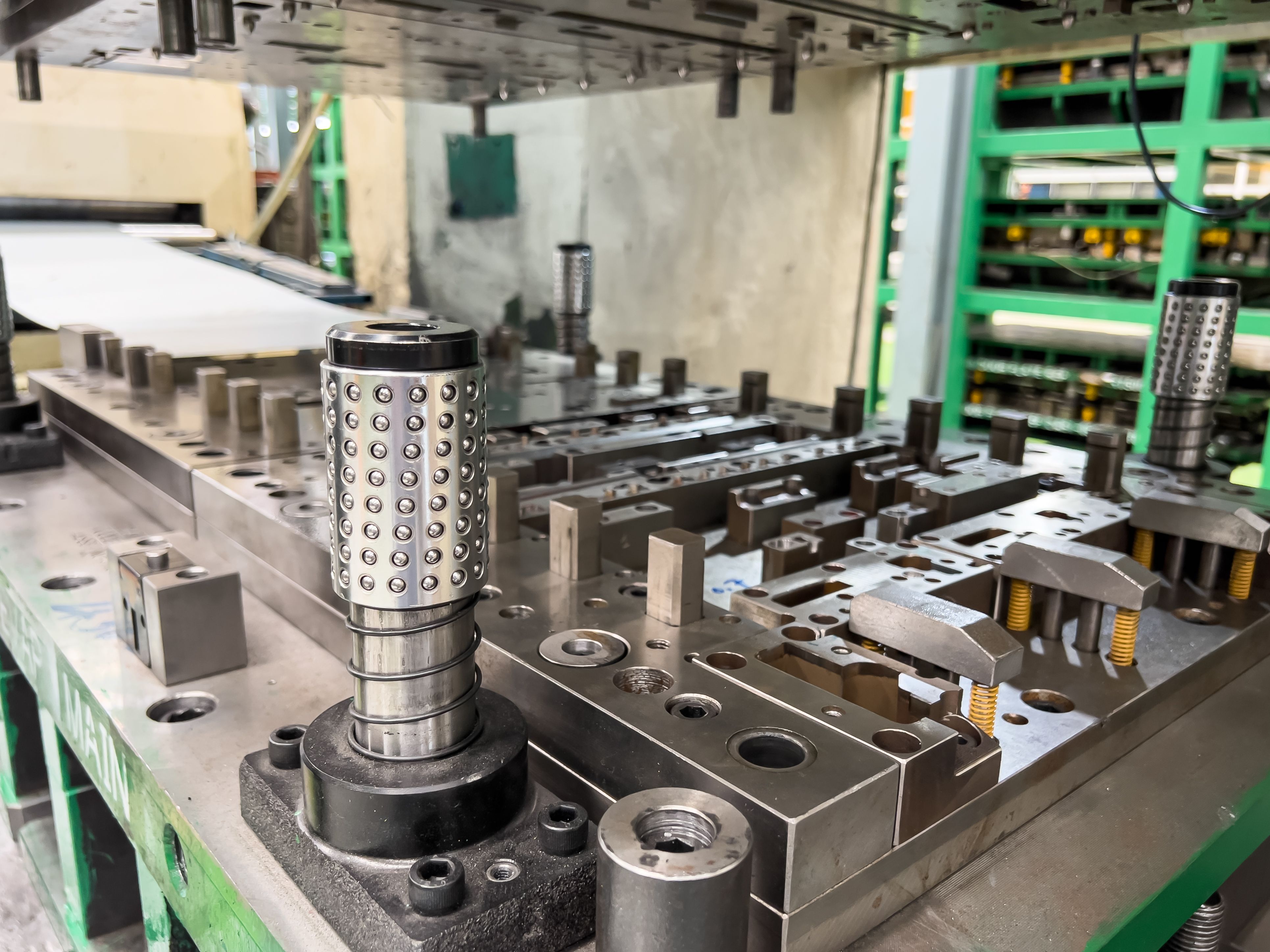
Cutting and shaping are fundamental skills in metal fabrication. For cutting, a hacksaw is perfect for beginners. Ensure your saw blade is suitable for metal, and practice steady, even strokes. As you gain confidence, you might explore using a jigsaw or angle grinder for more intricate cuts.
Shaping metal can be done using hammers and anvils. Start with softer metals like aluminum to get a feel for the process. Metal bending can be achieved using a vice or bending brake. Remember, patience is key, as rushing can lead to mistakes.
Joining Metal with Welding and Riveting
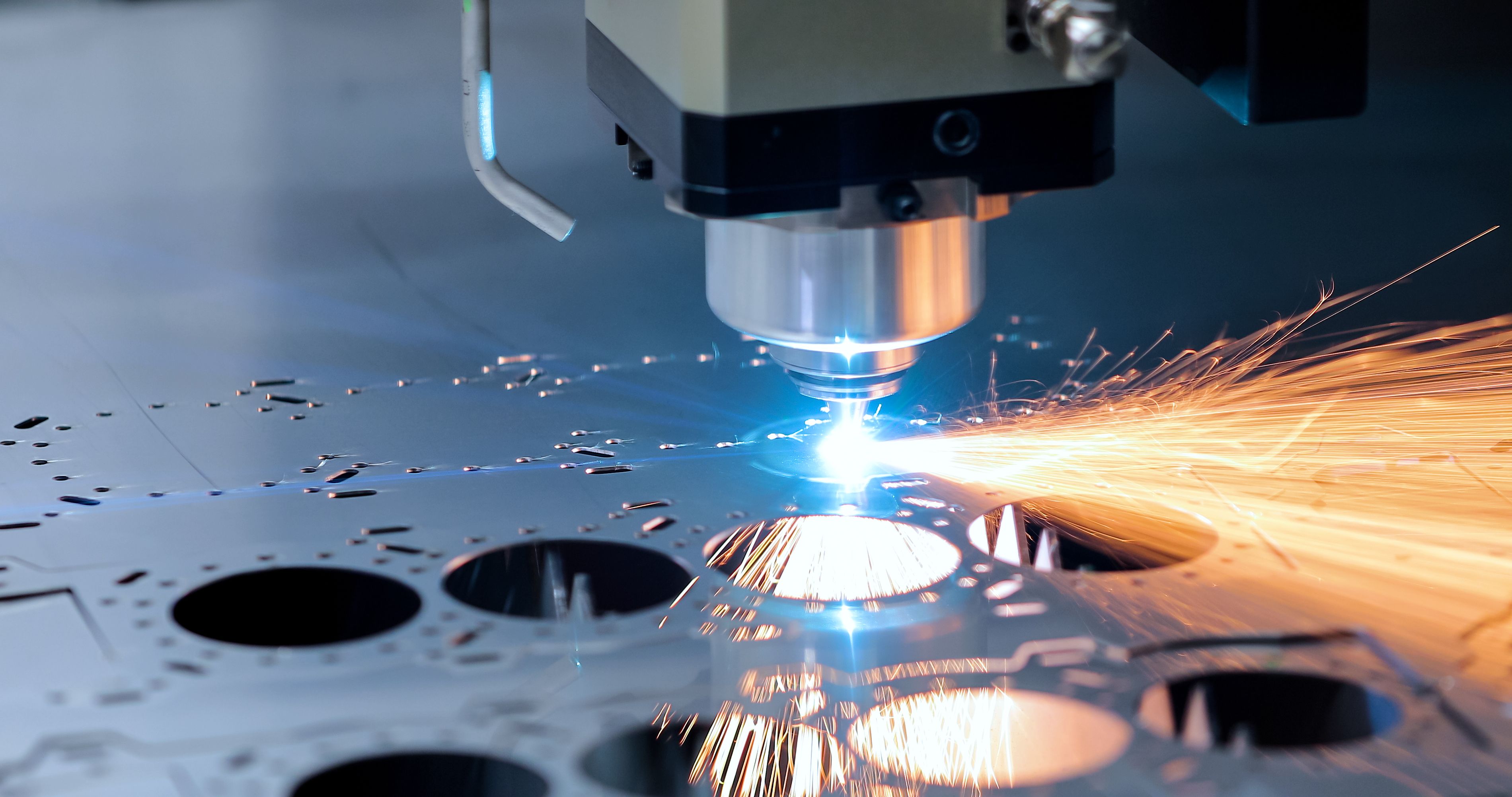
Joining metal pieces is an essential part of fabrication. Welding is a common method that provides strong joints. Beginners might start with MIG welding, which is relatively easy to learn. Always wear protective gear to shield yourself from sparks and intense light.
If welding seems daunting, riveting is an excellent alternative. It's a mechanical fastening method that involves joining pieces with metal pins. Riveting is ideal for projects where appearance isn't a primary concern, like garden structures or workshop tools.
Finishing Touches: Polishing and Painting
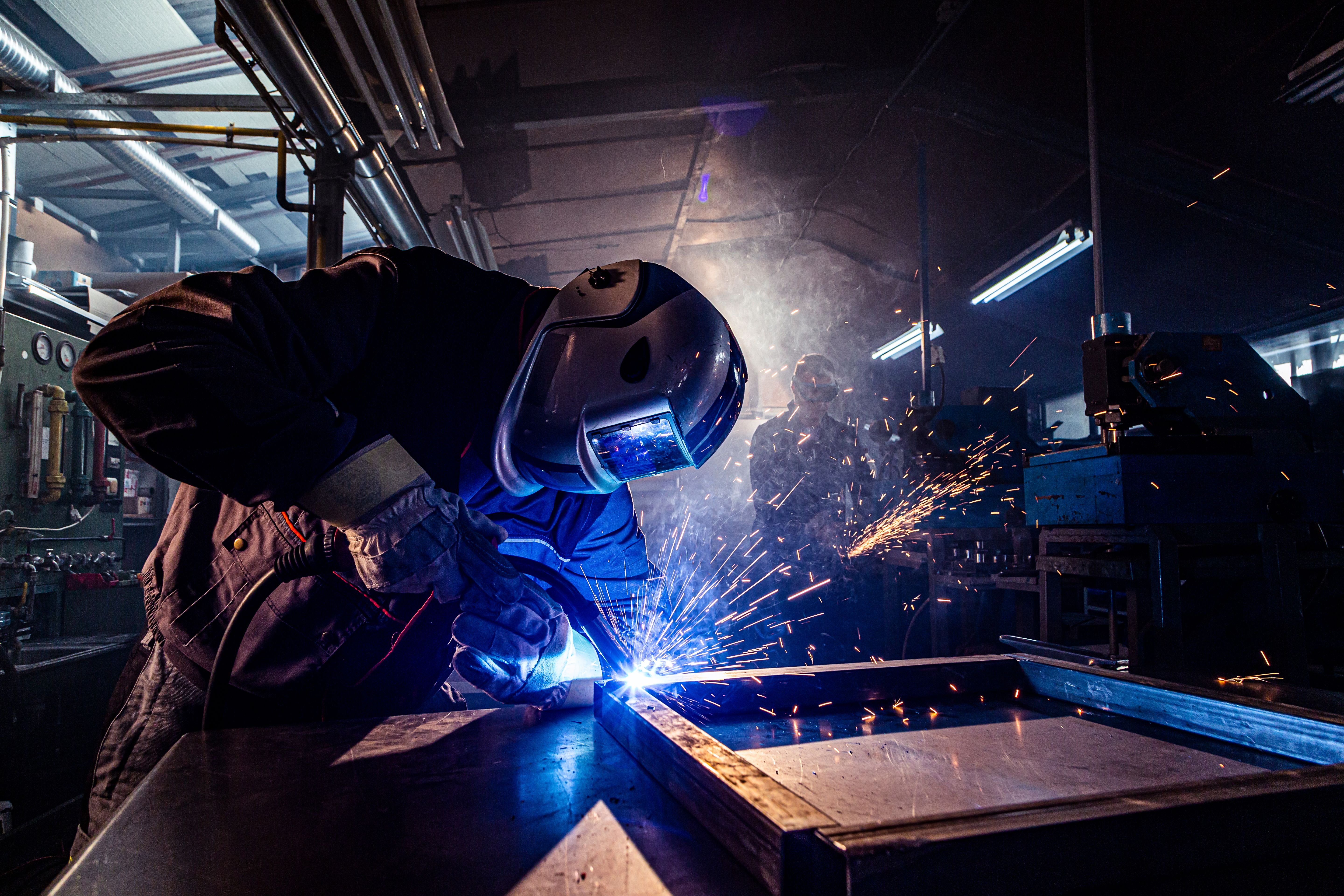
After cutting and joining, it's time to finish your project. Polishing not only enhances the appearance but also protects against rust. Use sandpaper or a wire brush to smooth out rough edges and surfaces. For a high-gloss finish, a buffing wheel can be used.
Painting is another way to protect your metal creations. Start by applying a primer to ensure the paint adheres well. Choose paints specifically designed for metal to prevent chipping and rust. A spray paint can provide an even, professional look.

Safety Tips and Best Practices
Safety should always be your top priority when working with metal. Wear appropriate clothing and avoid loose garments that could get caught in machinery. Always use protective gear and ensure your workspace is clean and organized to prevent accidents.
Finally, take your time to plan each project thoroughly. Sketch out designs and measure twice to cut once. With practice and patience, your metal fabrication skills will improve, allowing you to tackle more complex projects with confidence.