
DIY Machinery Maintenance: Tips from Dalton Experts


Understanding Your Machinery
Maintaining machinery is a crucial task that ensures long-term efficiency and performance. Whether you're a seasoned operator or a DIY enthusiast, understanding your equipment is the first step. Knowing the components and how they work together can help you spot issues before they escalate.
Regular maintenance prevents breakdowns and extends the life of your machinery. By investing a little time and effort, you can save significant costs in repairs and replacements.
Essential Tools for Maintenance
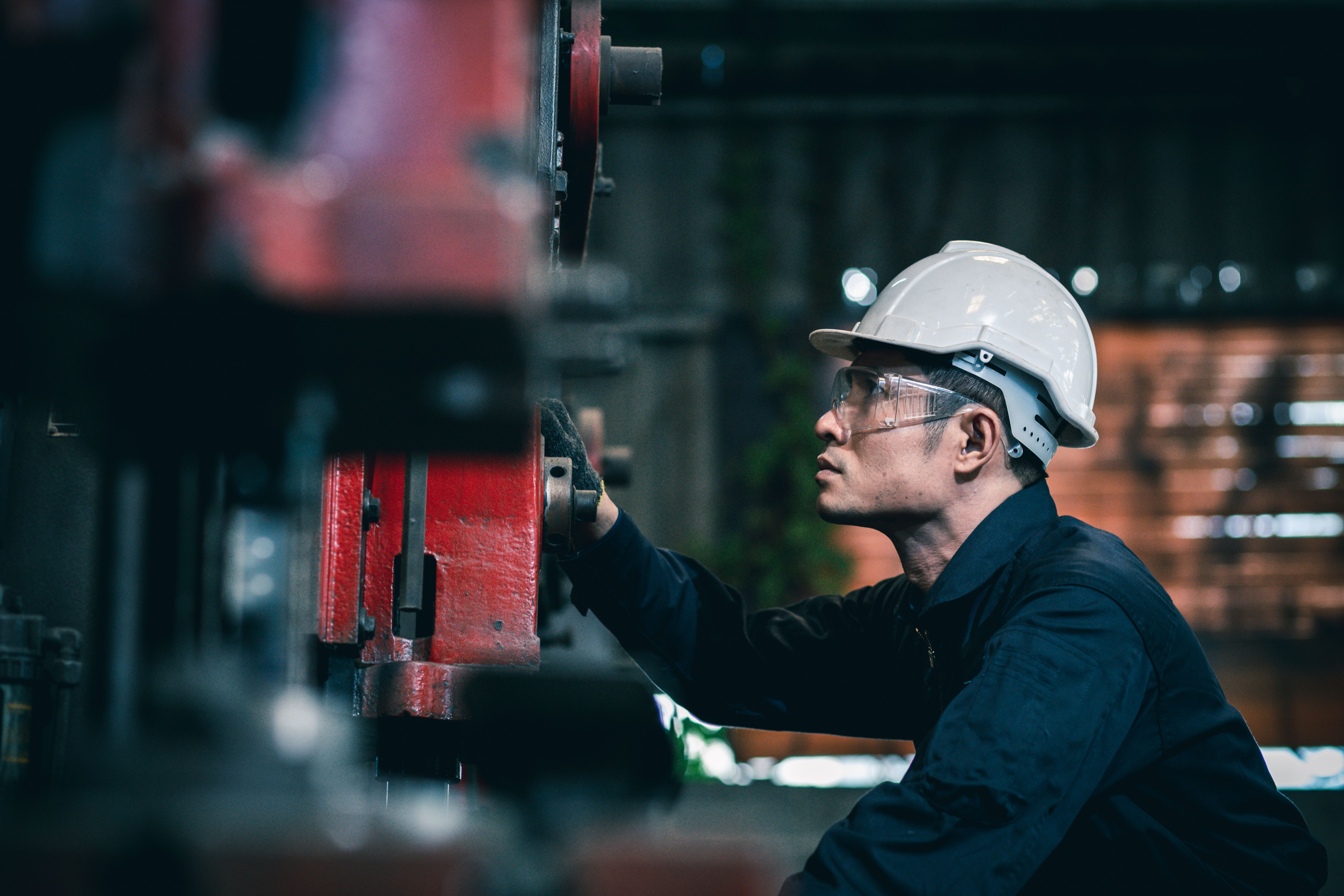
Having the right tools is vital for any maintenance task. A basic toolkit should include:
- Wrenches and Screwdrivers: Essential for tightening and loosening bolts.
- Lubricants: Keep moving parts running smoothly.
- Cleaning Supplies: Remove dirt and debris from components.
Investing in quality tools can make a significant difference in the ease and effectiveness of your maintenance work.
Regular Inspection Routines
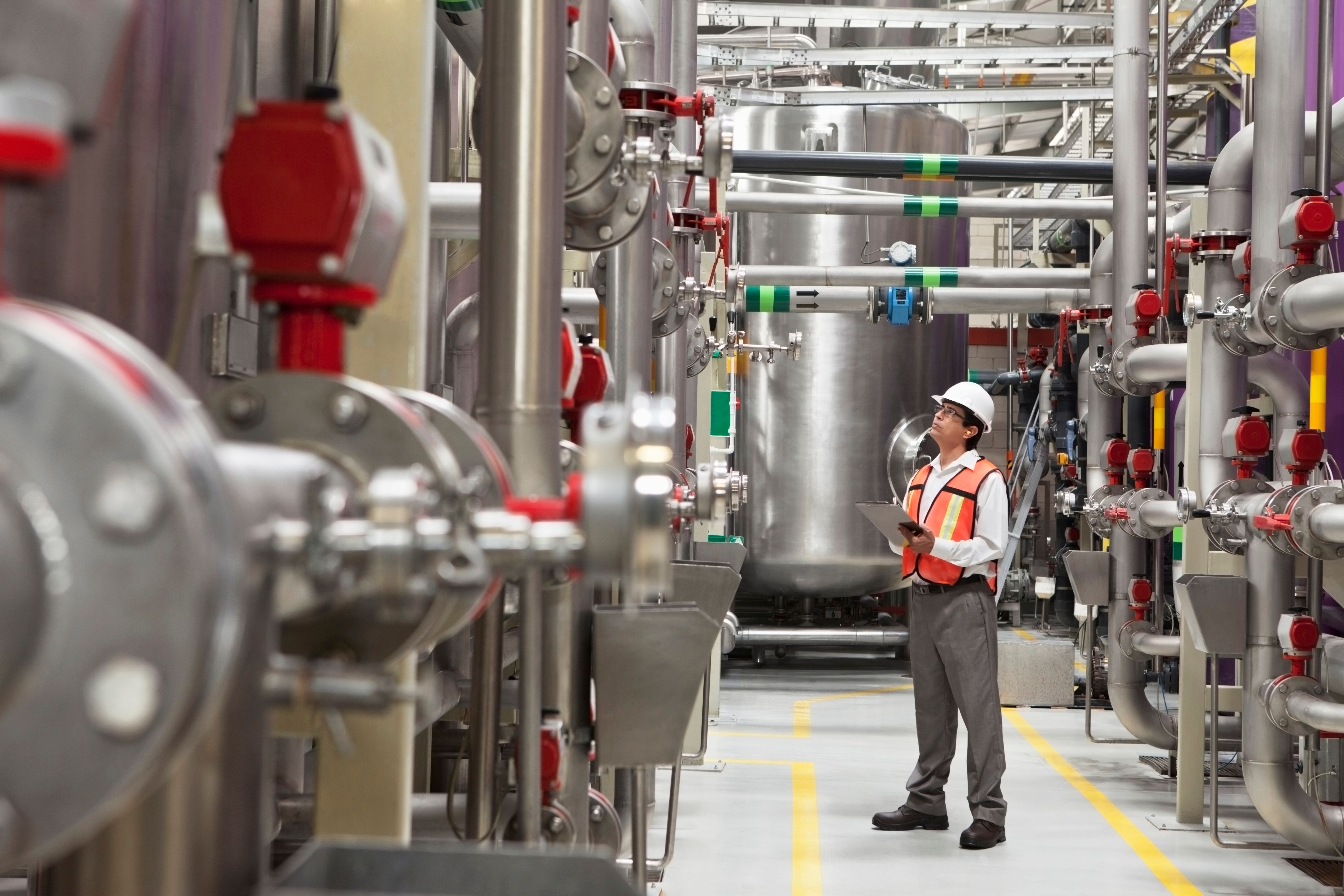
Establishing a regular inspection routine is key to effective maintenance. Check for signs of wear and tear, unusual noises, or leaks. These can be early indicators of potential problems.
Creating a checklist can help ensure you don't overlook any critical areas. Be sure to document any issues you find, along with the date and corrective actions taken.
Lubrication and Cleaning
Proper lubrication reduces friction and wear on moving parts, while regular cleaning prevents the buildup of dirt and grime. Ensure you use the correct type of lubricant for your machinery and apply it as recommended by the manufacturer.
Cleaning should be done with appropriate materials to avoid damage. Regular cleaning not only improves function but also helps in identifying hidden problems.
Replacing Worn Parts
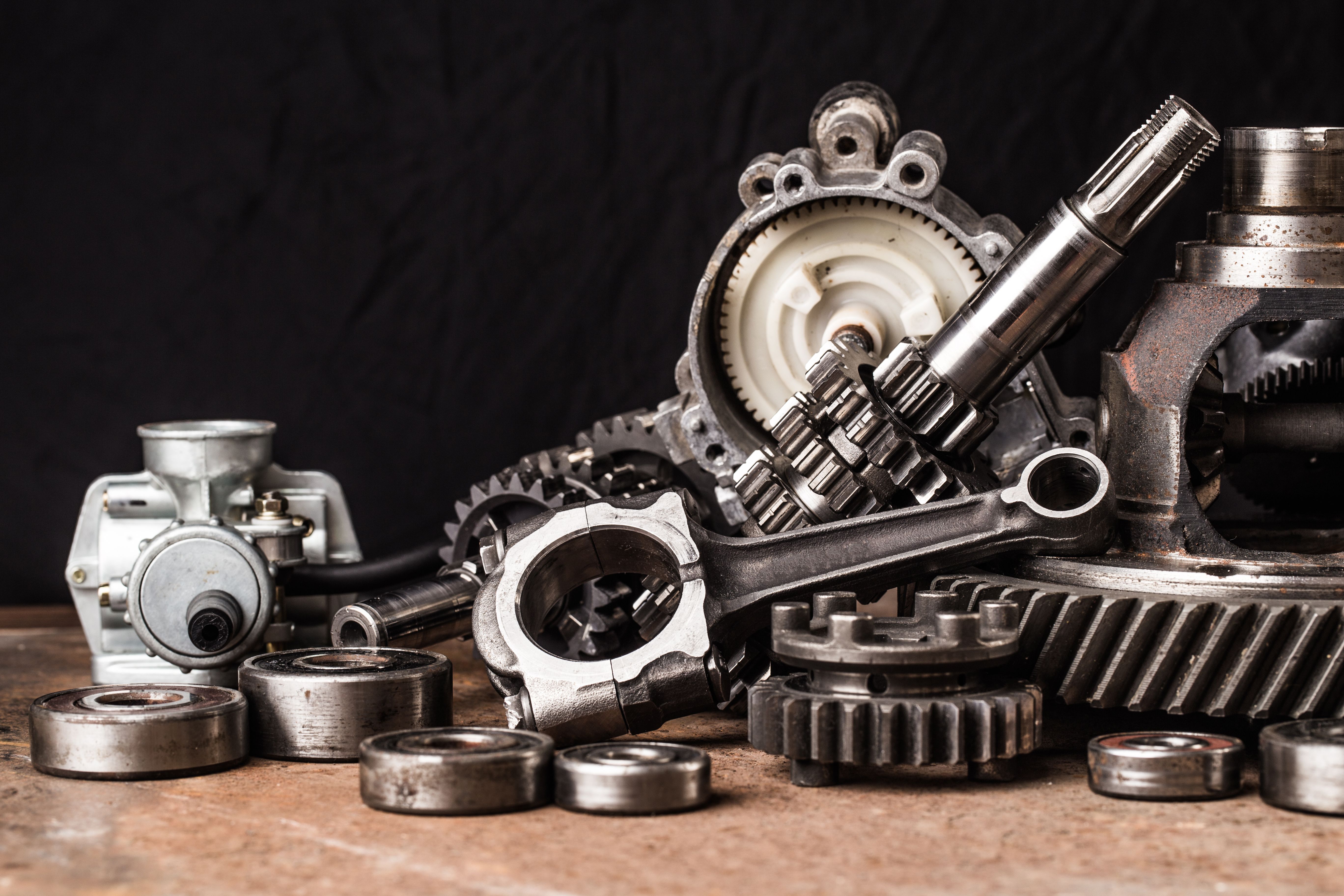
Over time, certain parts will wear out and need replacement. Learning how to identify these parts and replace them promptly is crucial. This might include belts, filters, or bearings.
Consult your machinery's manual for guidance on replacement intervals and procedures. Keeping spare parts on hand can minimize downtime when replacements are needed.
Safety Precautions
Safety should always be a top priority during maintenance. Ensure the machinery is powered down and disconnected from any energy sources before beginning work. Use appropriate personal protective equipment (PPE) such as gloves and eye protection.
Following safety protocols not only protects you but also ensures the integrity of the equipment.
Conclusion
DIY machinery maintenance can be manageable and rewarding with the right approach. By understanding your equipment, using the appropriate tools, and following a regular maintenance schedule, you can ensure your machinery runs smoothly and efficiently.
Remember, while DIY maintenance is beneficial, don't hesitate to consult a professional if you encounter issues beyond your expertise. Keeping your machinery in top condition is an ongoing effort that pays off in the long run.